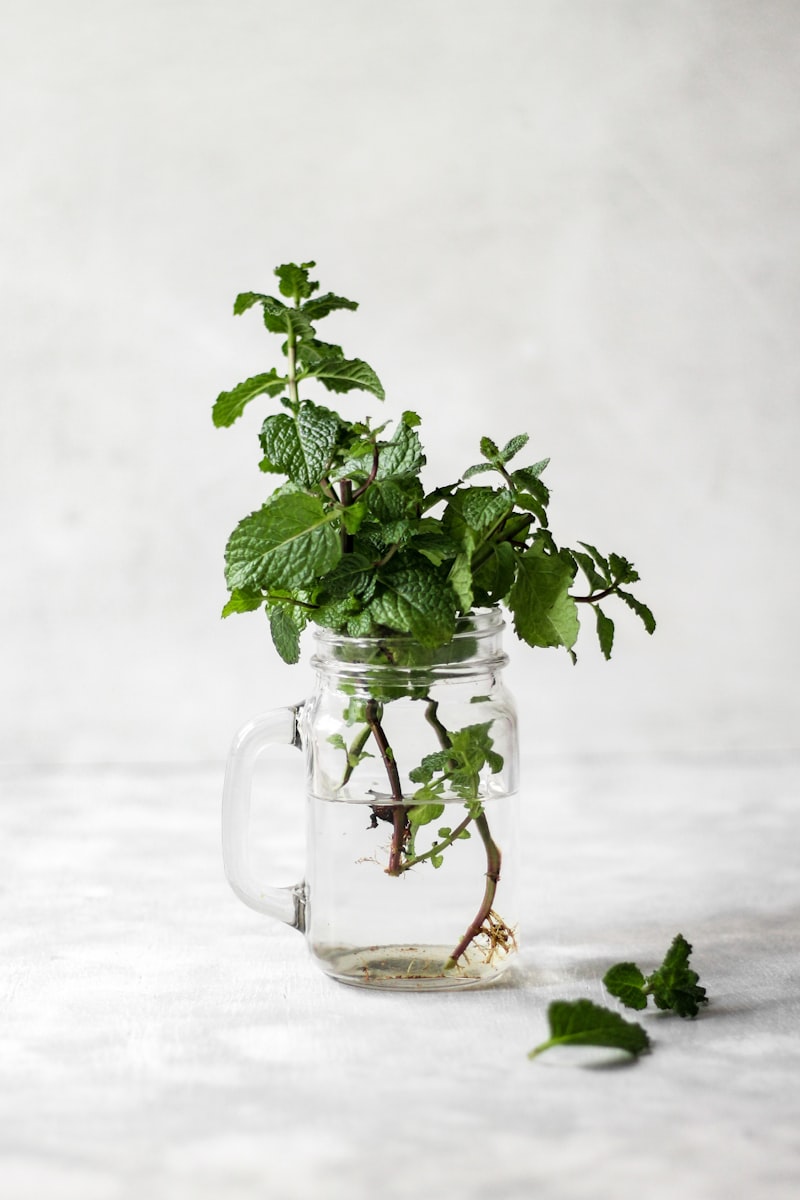
Why India Dominates the Global Peppermint Essential Oil Export Market
When procurement managers search for a reliable peppermint essential oil export from India, they are navigating the world's single largest supply base for mentha-derived products. India — specifically the Uttar Pradesh districts of Barabanki, Sambhal, and the ancient distillation hub of Kannauj — accounts for 75 to 80 percent of global mentha oil production, making it the de facto price setter and primary supplier for every major consuming sector: pharma, oral care, food flavoring, and cosmetics.
It is important to clarify a critical botanical distinction for buyers writing specification sheets. The dominant commercial species produced in India is Mentha arvensis (cornmint), not Mentha piperita (true peppermint). Cornmint is cultivated at scale in Uttar Pradesh because it yields a high natural menthol content of 65–75%, making it the preferred raw material for menthol crystal isolation. When Indian exporters refer to mentha oil India in trade parlance, they almost always mean Mentha arvensis oil or its derivative fractions — particularly Dementholised Peppermint Oil (DMPO) and Natural Menthol Crystals. True Mentha piperita is grown in smaller volumes and commands a premium positioning for high-end cosmetic and therapeutic applications.
Kannauj, often called the Perfume Capital of India, has been a distillation center since the 16th century. Today, over 200 distilleries operate in and around the town, processing fresh mint biomass through steam distillation in traditional copper stills and modern stainless-steel units alike. The combination of alluvial Gangetic plain soils, a cool winter growing season, and centuries of cultivar selection has produced mint varieties with consistently high essential oil yields of 0.5–0.8% on fresh herb weight.
India exports 28,000–32,000 metric tonnes of mentha products annually, with FY 2024–25 export value reaching approximately $450 million across all forms: crude cornmint oil, menthol crystals, DMPO, and mint flakes. The United States remains the largest value buyer — primarily for pharmaceutical-grade menthol and flavor applications — while the EU absorbs significant volumes for cosmetics and personal care. Japan and China are growing markets for pharmaceutical and tobacco flavoring respectively.
For international importers, the April–May window is the single most strategic procurement period of the year. The kharif mint crop is harvested May through June, meaning pre-season forward contracts placed now — before new crop volumes hit the Barabanki and Sambhal mandis — lock in favorable pricing before seasonal demand spikes from major flavor houses and pharma manufacturers who replenish inventories post-harvest. Buyers who wait until July routinely pay 15–20% above pre-season contract levels, particularly for USDA Organic certified mentha oil where organic area is limited.
Understanding natural menthol supplier dynamics in India also means understanding the speculative nature of mint cultivation. Farmers rotate between mint and sugarcane based on relative returns, causing acreage to swing 20–30% year-on-year. Locking in supply relationships with established exporters — rather than spot-buying through commodity aggregators — is the single most effective risk mitigation strategy for consistent supply chain performance.
Grades, FOB Prices, and Compliance Specifications for B2B Buyers
Procurement managers specifying peppermint oil B2B requirements must navigate four primary product grades, each with distinct pricing, application fit, and regulatory compliance requirements.
Natural Menthol Crystals are the highest-volume export form. Produced by fractional distillation and recrystallization of Mentha arvensis oil, crystals assay at minimum 99% l-menthol by GC. Current FOB Kannauj / Barabanki pricing ranges from $8–14/kg depending on purity specification, packing (25 kg fiber drums), and forward contract vs. spot terms. USP and EP (European Pharmacopoeia) grade crystals command the upper end of the range, driven by pharma-grade documentation requirements including Certificate of Analysis (CoA), MSDS, and residual solvent testing.
Cornmint Oil (Mentha arvensis crude oil) — the primary distilled fraction before dementholization — contains 65–75% natural menthol and is priced at $15–25/kg FOB. This grade serves flavor houses, personal care compounders, and tobacco flavoring manufacturers who blend it at the crude level. Buyers should specify minimum menthol content, GC purity report requirements, and heavy metal testing (lead, arsenic, cadmium under 0.1 ppm) in their purchase contracts.
Dementholised Peppermint Oil (DMPO) is the residual fraction after menthol crystal extraction, valued for its balanced minty-herbaceous aroma profile dominated by menthone, isomenthone, and residual menthyl esters. FOB pricing: $12–18/kg. DMPO is preferred in oral care formulations (toothpaste, mouthwash) and cosmetics where the harsh menthol-heavy note of crude oil is undesirable. IFRA compliance documentation is mandatory for fragrance and personal care buyers.
Mint Flakes (dehydrated) occupy the $6–10/kg range and serve the food processing and herbal tea sectors. Quality parameters for export: moisture below 8%, volatile oil content minimum 1.5%, no sulfur dioxide treatment, aflatoxin below 5 ppb for EU shipments.
Regulatory compliance checkpoints vary by destination. US buyers require FDA prior notice filing and FSSAI export certificate from the Indian side. EU buyers must confirm compliance with EU Regulation 1334/2008 for flavoring substances and Regulation 1223/2009 for cosmetics. Pharma buyers in the US and EU additionally need DMF (Drug Master File) or CEP (Certificate of Suitability) references for manufacturers. IFRA membership certification and ingredient safety assessments are standard for fragrance house procurement.
The May–June harvest window is 6–8 weeks away. Organic-certified cornmint oil from USDA/EU Organic farms in Uttar Pradesh represents less than 5% of total production — meaning certified supply is fully committed within weeks of pre-season opening. Buyers requiring organic certification should place confirmed purchase orders before 30 April to secure allocation from certified growers. Minimum order quantity for organic certification lots is typically 500 kg.
Market Outlook 2026 and Buyer Procurement Strategy
The global mentha and peppermint oil export India market is entering a period of relative supply stability in 2026 after the acreage volatility of 2023–24, when poor monsoon conditions in eastern UP reduced Mentha arvensis cultivation by approximately 18%. The 2025–26 planting season saw farmer acreage return to normal levels, supported by government MSP assurances and competitive farmgate prices in the ₹1,100–1,400/kg range for crude cornmint oil.
Demand fundamentals remain structurally strong. The global oral care market, which consumes approximately 35% of menthol crystal production, is growing at 4.8% CAGR through 2028, driven by premium toothpaste and mouthwash segments in Asia-Pacific and Sub-Saharan Africa. The OTC pain relief segment (topical analgesic creams and patches using menthol as the active ingredient under FDA Monograph system) adds further consistent demand from US and EU pharma manufacturers.
For procurement professionals managing multi-quarter supply chains, the optimal strategy for 2026 involves a split procurement approach: book 50–60% of annual requirement as pre-season forward contracts in April–May at a fixed FOB price with price review clauses tied to Barabanki mandi benchmarks, and retain 40–50% for spot purchases in July–September after new crop volumes establish the seasonal price floor. This approach captures pre-season certainty while retaining flexibility to benefit from post-harvest price softening, which historically averages 8–12% below peak pre-harvest levels.
Adulteration remains an active concern in the commodity mentha oil market. Common adulterants include synthetic menthol (racemic mixture with different optical rotation profile — identifiable by chiral GC analysis), terpene extenders, and cheaper cornmint fractions passed off as Mentha piperita. Buyers sourcing through Radiance Overseas receive GC/MS batch reports, optical rotation certificates (l-menthol: -49° to -50° on polarimetry), and third-party lab verification from accredited NABL-certified laboratories as standard documentation with every shipment.
China's increasing domestic cornmint production — now supplying approximately 15–18% of global menthol demand — represents a competitive dynamic worth monitoring. However, Indian product consistently commands a quality premium due to superior terroir, traditional processing expertise, and the established regulatory documentation ecosystem that supports FDA, EU, and JP (Japanese Pharmacopoeia) compliance. The Kannauj essential oil heritage is also increasingly leveraged as a provenance marker in premium fragrance and wellness segments.
Frequently Asked Questions
What is the difference between cornmint oil and peppermint oil from India?
India primarily produces Mentha arvensis (cornmint) oil, which contains 65–75% natural menthol and is the raw material for menthol crystal isolation. True peppermint (Mentha piperita) is a different species with a more balanced aroma profile, lower menthol content (~35–55%), and is grown in smaller quantities in India. Most Indian 'peppermint oil' in commodity trade is cornmint or DMPO. Buyers should specify the botanical name in their purchase orders to avoid confusion.
What is the current FOB price for peppermint oil export from India in 2026?
FOB prices vary by grade: Natural Menthol Crystals (99% USP) trade at $8–14/kg; Cornmint Oil (crude, 65–75% menthol) at $15–25/kg; Dementholised Peppermint Oil (DMPO) at $12–18/kg; Mint Flakes at $6–10/kg. USDA Organic certified product commands a 20–30% premium over conventional grades. Prices are benchmarked against the Barabanki and Kannauj mandi daily rates.
What certifications are required to import Indian mentha oil into the USA or EU?
For USA: FDA prior notice filing by the exporter, FSSAI export certificate, and CoA/MSDS documentation. Pharma-grade menthol additionally requires USP grade certification and may require a Drug Master File (DMF) reference. For EU: compliance with EU Regulation 1334/2008 (flavoring), 1223/2009 (cosmetics), and REACH for industrial applications. IFRA compliance documentation is required for all fragrance applications. Radiance Overseas provides full documentation packages.
When is the best time to buy peppermint oil from India?
The optimal pre-season booking window is April–May, immediately before the May–June harvest. Forward contracts placed now lock in FOB prices 10–20% below post-harvest spot levels. The worst time to purchase is June–July, when seasonal demand from large flavor houses peaks ahead of new crop arrival. For USDA Organic certified stock, April bookings are essential — certified volumes sell out within 4–6 weeks of pre-season opening.
How do I verify the purity of Indian peppermint or menthol oil and avoid adulteration?
Request a GC/MS (gas chromatography–mass spectrometry) report from a NABL-accredited Indian laboratory with every batch. For menthol crystals, additionally require optical rotation data (genuine l-menthol: -49° to -50°) to distinguish natural from synthetic racemic menthol. Chiral GC analysis can detect synthetic or Australian-route farnesol-derived santalol in oil blends. Radiance Overseas provides third-party NABL lab reports, CoA, and optical rotation certificates as standard documentation.