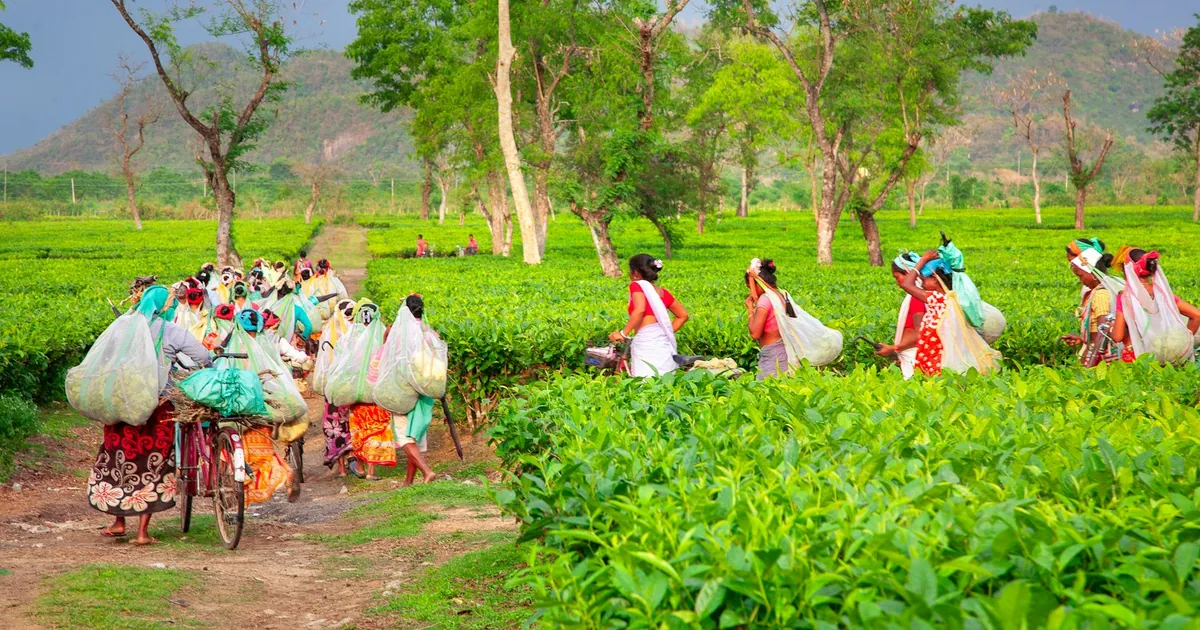
Assam Tea Private Label from India: A B2B Sourcing Guide
How to launch an Assam tea private label from India: CTC vs orthodox, caffeine, flush seasons, EU rules, full-container ordering and the export paperwork.
Read More →Read expert insights on organic exports from India. Learn about markets, import rules, certifications, and shipping. Articles published since 2019. Looking for products? See our Indian superfoods export range.
How to launch an Assam tea private label from India: CTC vs orthodox, caffeine, flush seasons, EU rules, full-container ordering and the export paperwork.
Read More →
Understanding India's FTA tariff schedules before signing a sourcing contract can reduce your landed cost by 5–15%. Here's a procurement manager's map to every active and in-negotiation FTA that affects Indian agro imports in 2026.
Read More →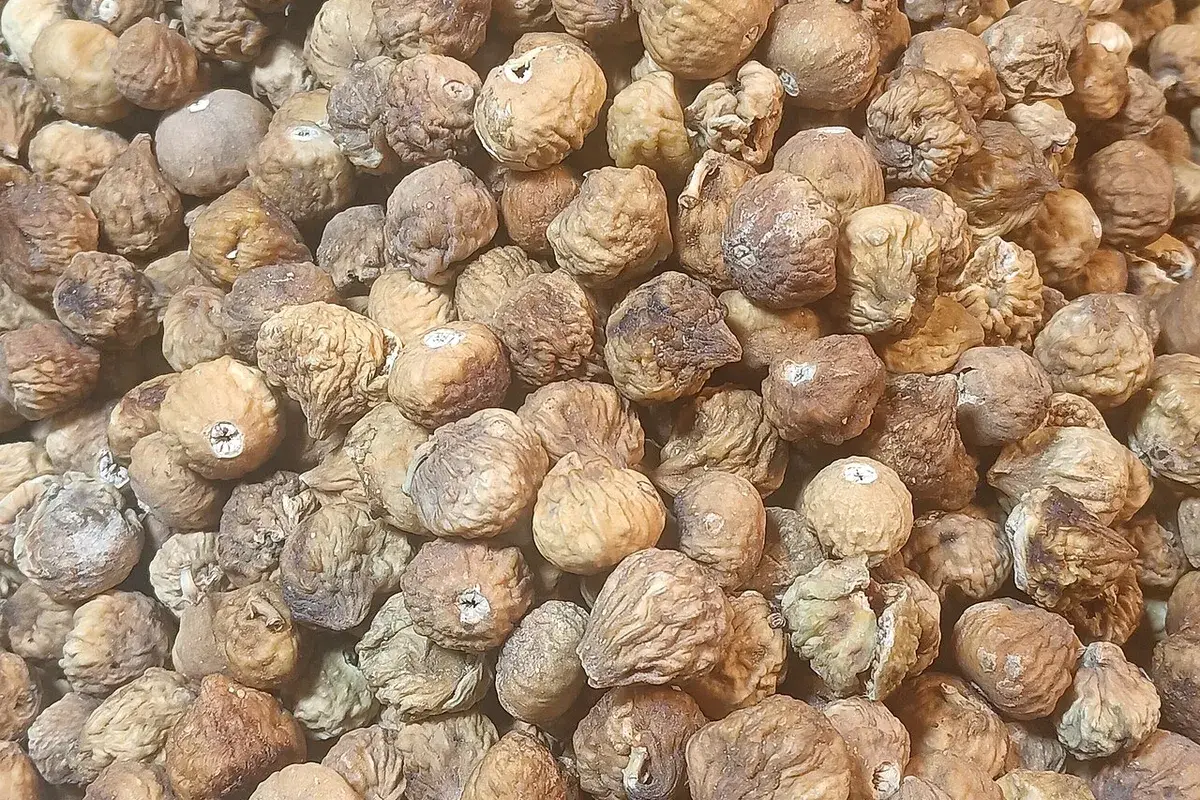
India's dry fruit export sector is $2.2 billion and growing — but most buyers look only at cashews. Dried figs and mountain apricots from Ladakh represent an under-sourced premium segment with structural demand growth in EU health food, gifting, and clean-label food manufacturing.
Read More →
Vietnam's La Niña-driven crop shortfall has pushed global Robusta prices to multi-year highs. Indian Robusta from Karnataka's Chikmagalur, Hassan, and Coorg is absorbing the gap — and buyers are discovering that the $200–400/MT premium over Vietnamese origins is justified.
Read More →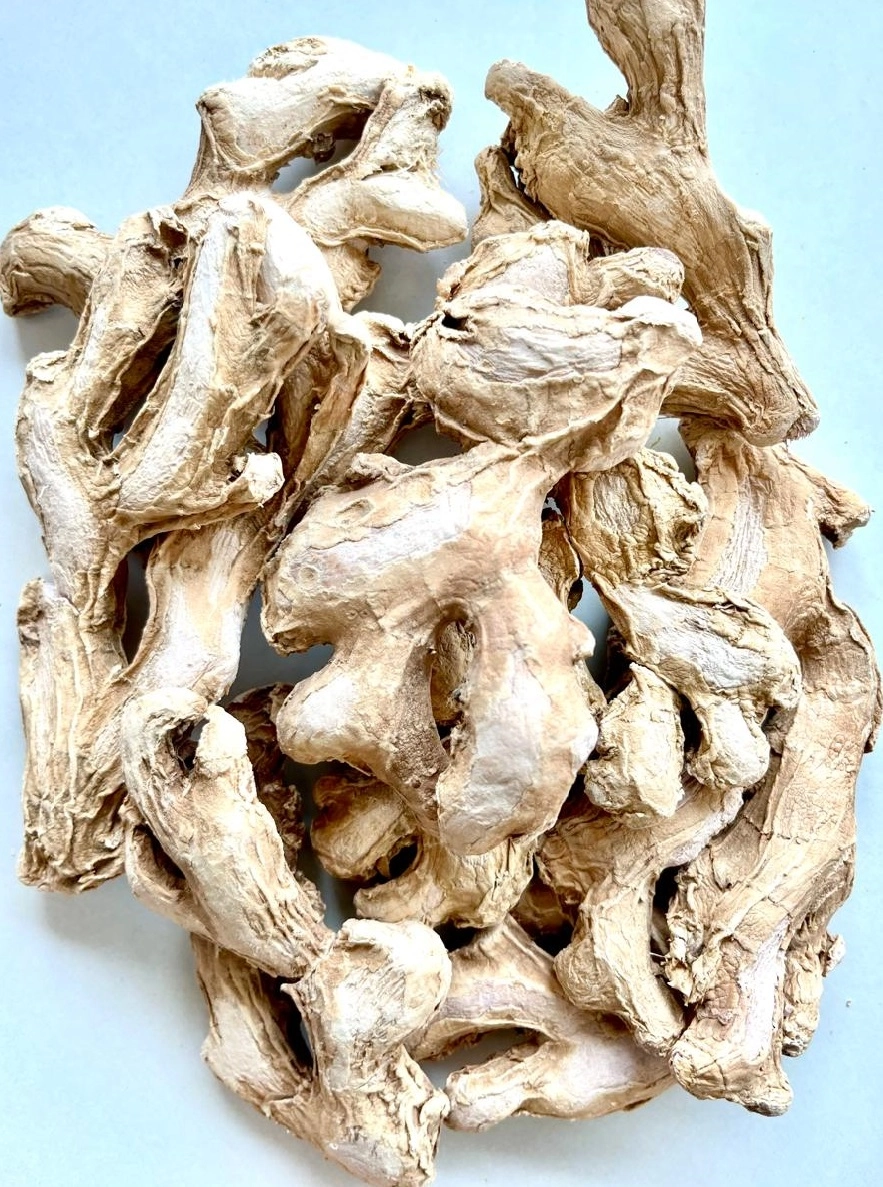
India produces ~2 million MT of fresh ginger annually and dominates global dry ginger exports. But a below-average Kerala monsoon in 2025 has tightened unbleached Cochin supply just as EU supplement demand accelerates. Here's the buyer's complete guide.
Read More →
India's agricultural export sector posted an estimated $14.2–15.0 billion in Q1 2026 — up 11% year-on-year. Here's the commodity-level breakdown every procurement manager needs before locking in H2 sourcing contracts.
Read More →
Post-IYOM legacy is real: India's millet product exports grew 35% in FY 2024-25 to approximately USD 750 million. No country on earth matches India's millet diversity — from calcium-dense ragi to gluten-free beer-grade jowar. For health food brands, gluten-free bakery manufacturers, and sports nutrition formulators in the USA and EU, the sourcing window for certified Indian millet flour is competitive and narrowing.
Read More →
India's animal feed and oilseed cake export sector reached USD 2.8–3.2 billion in FY 2025-26. Non-GMO soybean meal, GMP+ certified supply, and geographic proximity to SE Asia and MENA give Indian exporters structural advantages that Argentina and Brazil cannot replicate. Here is the full 2026 picture.
Read More →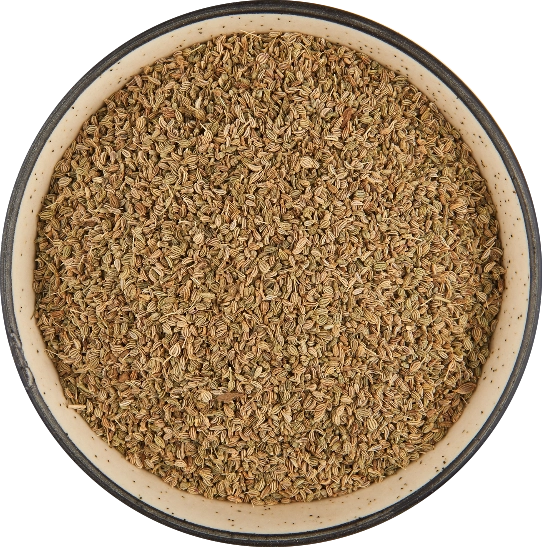
India controls roughly 90% of global ajwain production and export. With thymol demand rising in pharma and oral care, and South Asian diaspora markets expanding in the UK, UAE, and Canada, carom seeds are quietly becoming one of India's most strategically significant spice exports in 2026.
Read More →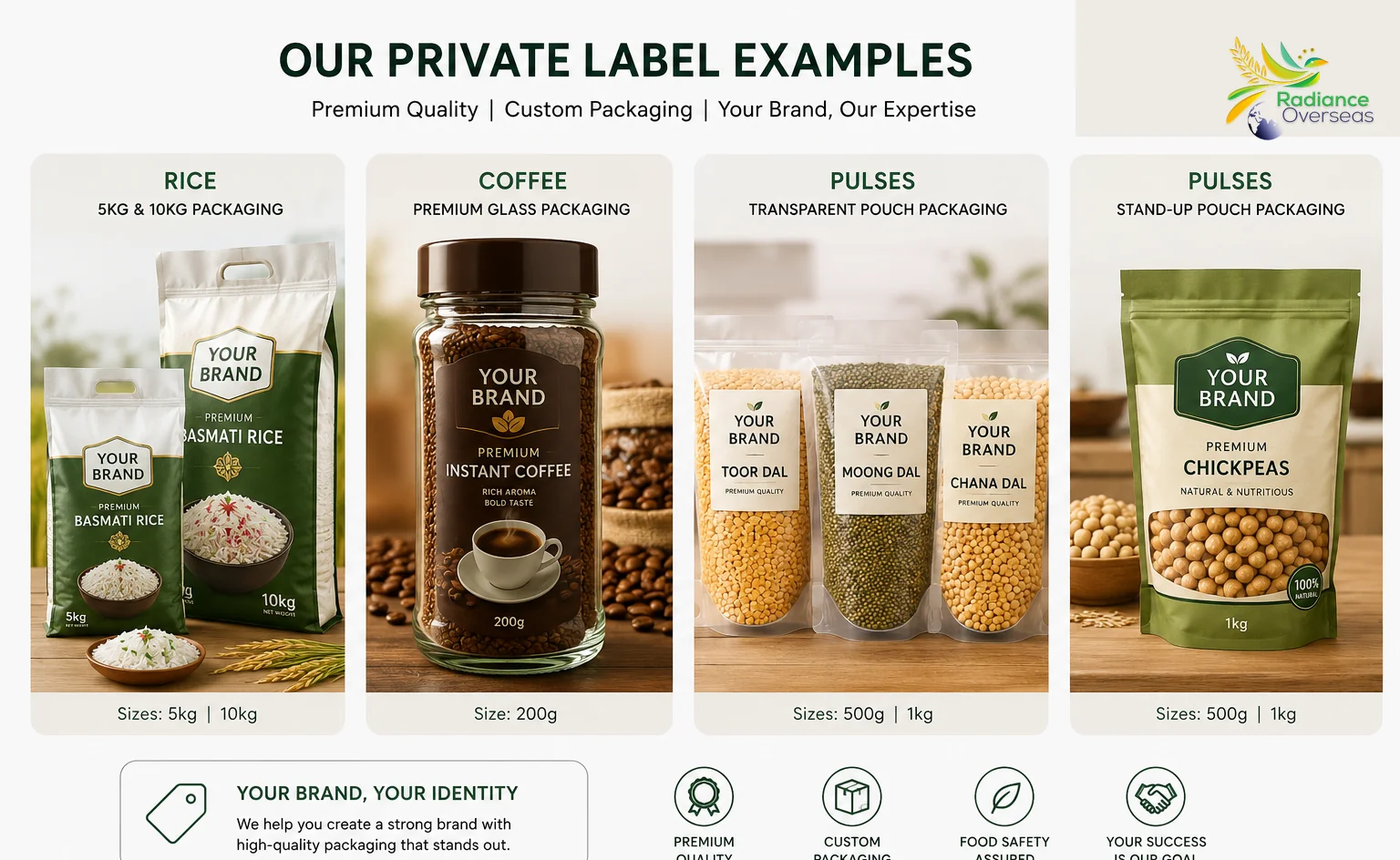
Exporting private-label agro products to India, USA, or EU requires navigating three distinct labelling and food safety frameworks: FSSAI (India), FDA (USA), and EU Regulation 1169/2011 (Europe). Each has different nutrient disclosure, allergen protocols, and package insert requirements. This guide clarifies requirements, common violations, and compliance checklists for each region.
Read More →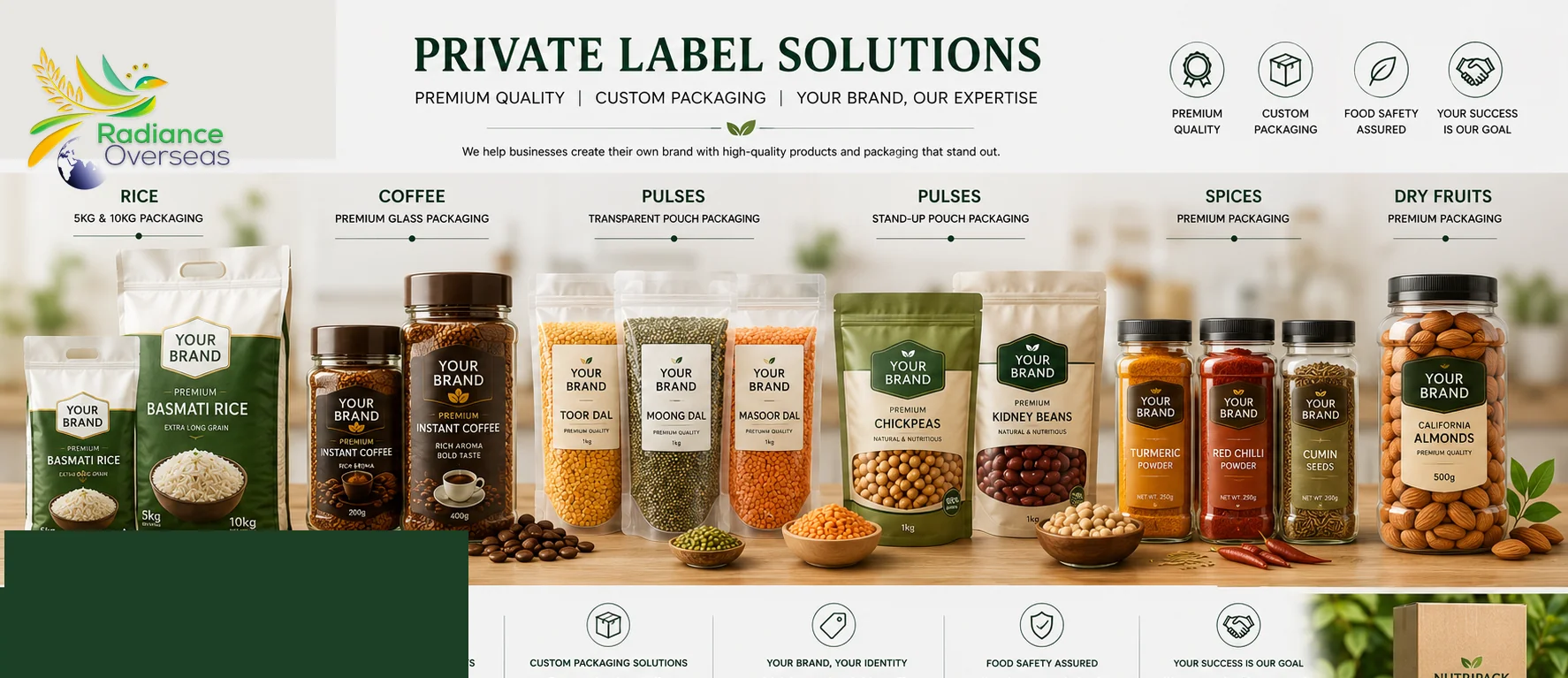
Three sourcing models dominate B2B food/agro sourcing: Private-Label (PL), White-Label (WL), and Original Equipment Manufacturing (OEM). They differ in pricing, brand control, customization, and supply commitment. This guide explains the cost-benefit tradeoffs, which model fits which business type, and how to evaluate suppliers across all three models.
Read More →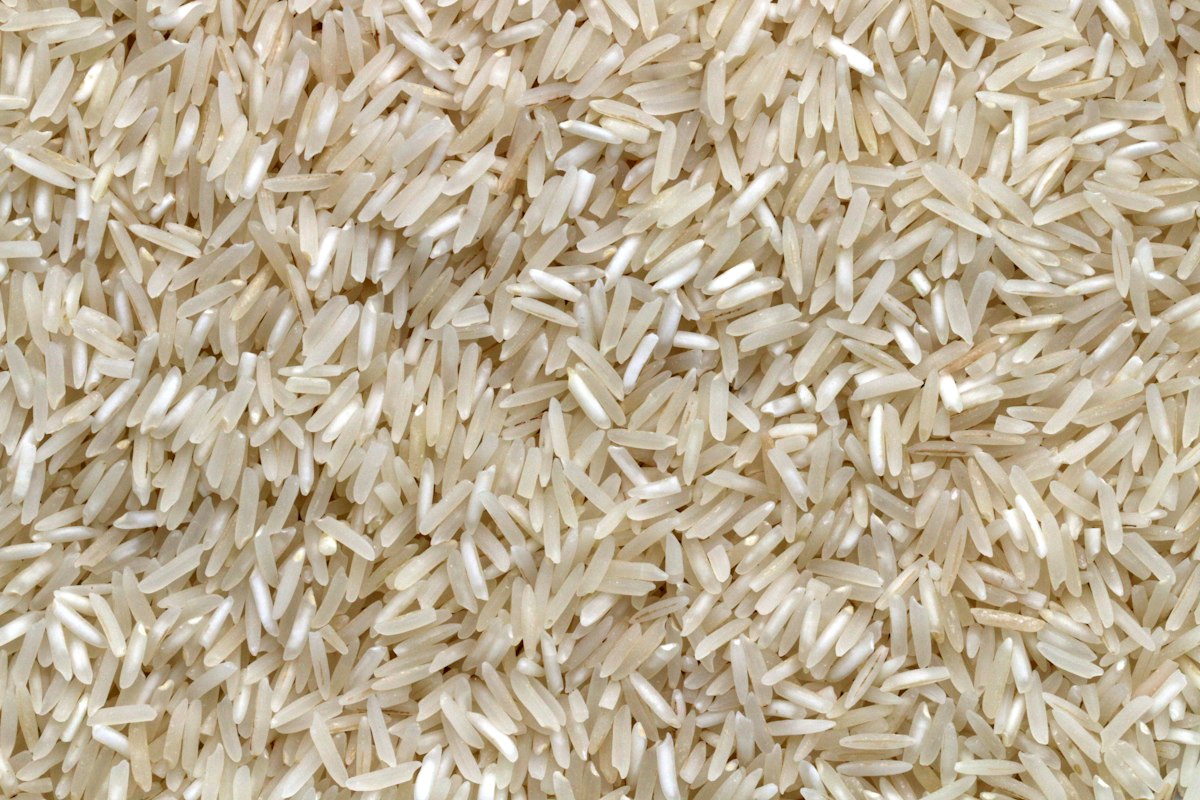
Private-label rice buyers often assume MOQs must be 500+ MT. Reality: Indian rice exporters offer MOQs as low as 5–10 MT for first-time container shipments. This guide breaks down: why MOQs vary by variety/origin, how to negotiate volume commitments, what production constraints mean for your supply timeline, and how to use pilot orders to build longer-term agreements.
Read More →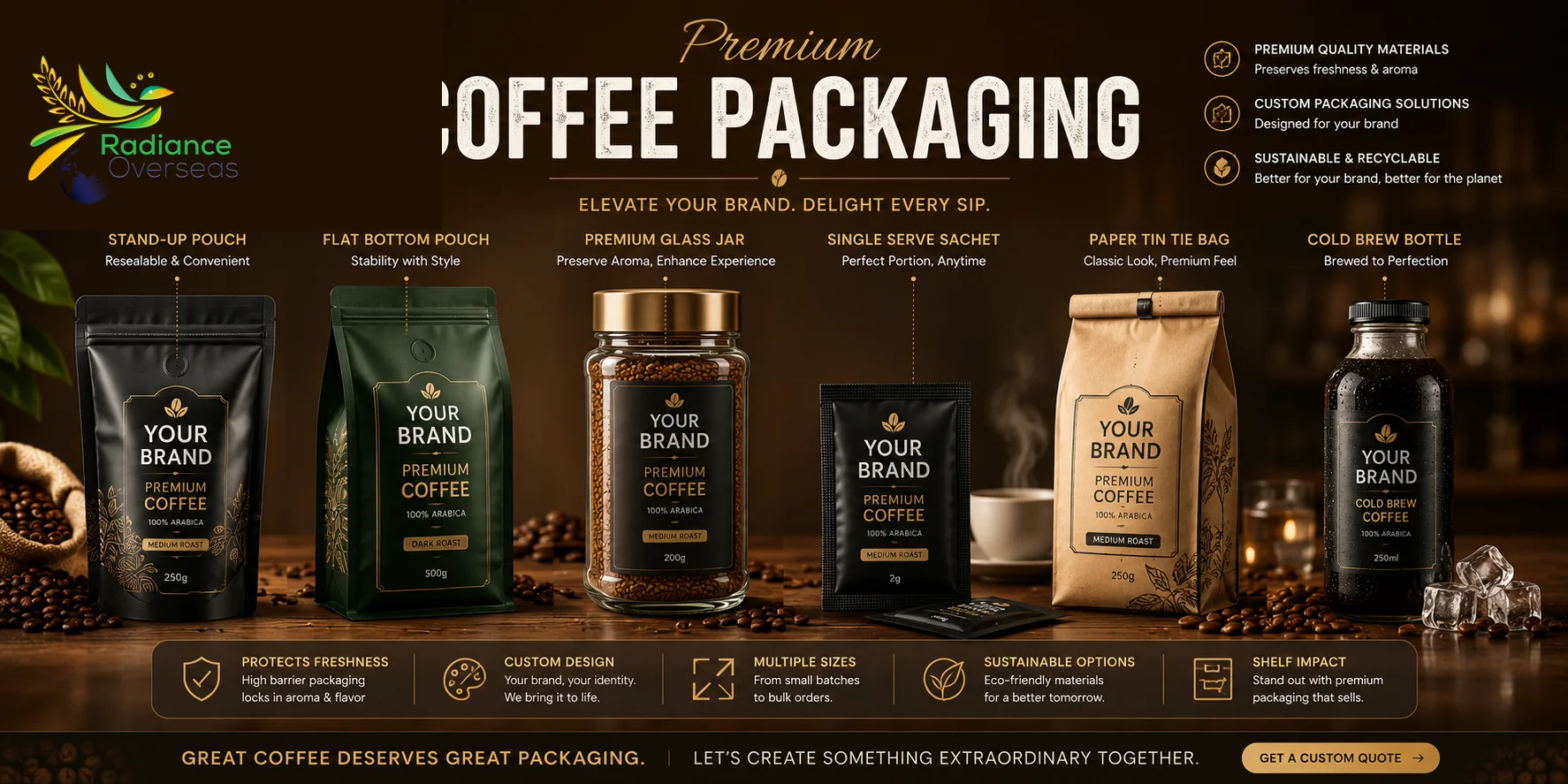
India exports 375,000 MT of coffee annually — 95% from southern estates (Karnataka, Tamil Nadu, Kerala). For B2B brands entering private-label coffee (PL coffee), India offers cost advantage (~$2.80–$3.60/kg FOB for Arabica), established export infrastructure, and compliance maturity. This guide covers sourcing strategy, MOQ/pricing, supply timeline, quality assurance, and regulatory pathway from contract signing to first shipment.
Read More →
India supplies 80% of the world's moringa. With EU Novel Food authorisation secured in 2023 and plant-based protein demand accelerating, procurement teams in Germany, the UAE, and the USA are locking in long-term moringa powder contracts. Here is what the 2026 market looks like.
Read More →
EU's 50% additional duty on Russian and Belarusian flaxseed (in force July 2025) is redrawing the global supply map. Indian FOB brown flaxseed has firmed to ~€840/t — roughly 35% below Canadian conventional origin. India's chia export lots grew 50% YoY in 2024–25. Here's what procurement teams need to know.
Read More →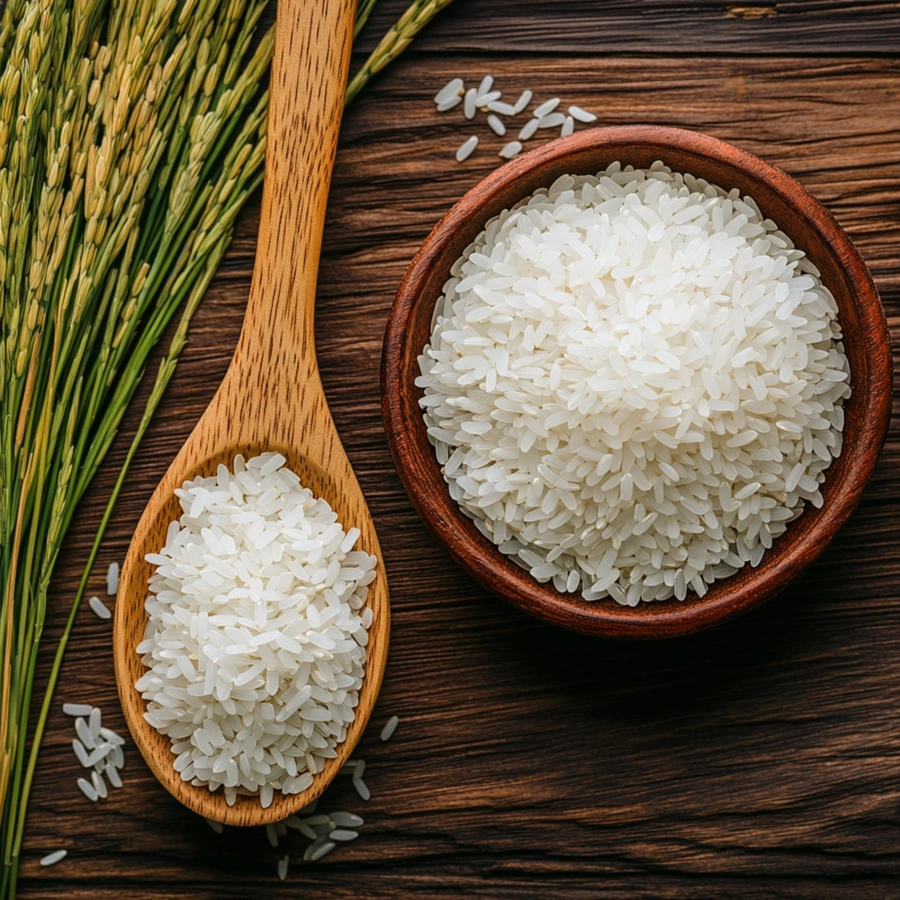
India ships 7–8 million MT of non-basmati parboiled rice annually, with 65–70% destined for Sub-Saharan Africa. IR 64 Parboiled 5% broken FOB Kakinada at $360–$420/MT. Here is what West African buyers need to know.
Read More →India removed all parboiled rice export duties in October 2024 — opening the most favourable West African sourcing window in three years. India ships ~22 million MT of rice annually, with ~8–9 million MT parboiled and ~75% destined for Sub-Saharan Africa. This guide covers IR 64, Swarna, and BPT grade structures, 2026 FOB price benchmarks at Kakinada, the India vs Thailand competitive spread, and how to build forward supply relationships with Indian rice mills.
Read More →
India’s dehydrated vegetable exports hit $580–$640 million in FY 2025-26. Gujarat’s onion belt and Madhya Pradesh’s garlic farms supply global food manufacturers — but EU compliance is non-negotiable. Here is what to know.
Read More →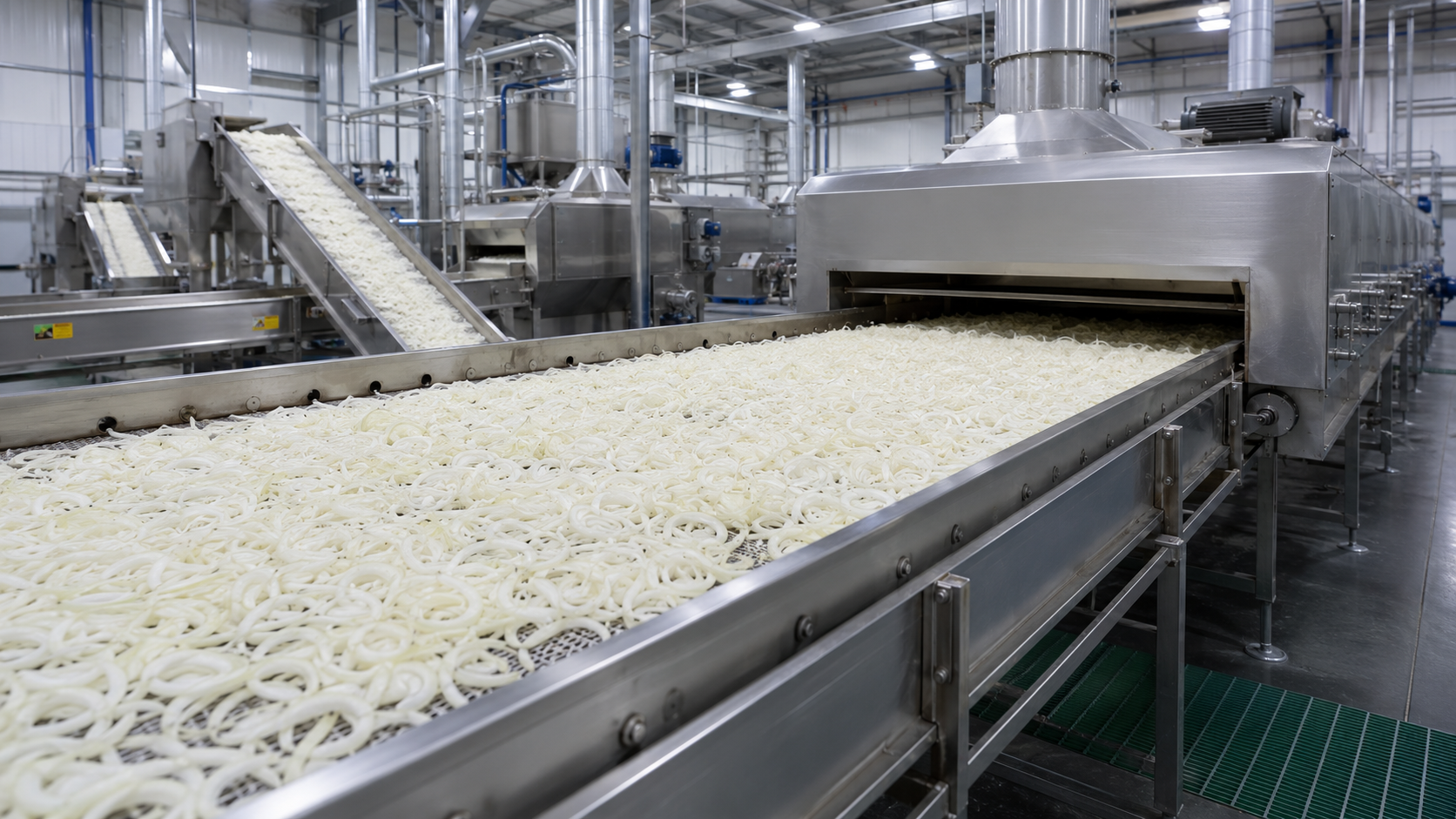
India's Mahuva-Bhavnagar belt produces ~80,000 MT of dehydrated onion powder and ~40,000 MT of dehydrated garlic powder annually — 90% exported. But 525 EU RASFF flags and 87 border rejections for ethylene oxide contamination mean EU compliance is now the critical differentiator. This guide covers FOB prices, the supplier-tier reality, EU ETO specs, and how to source verified Tier-1 supply.
Read More →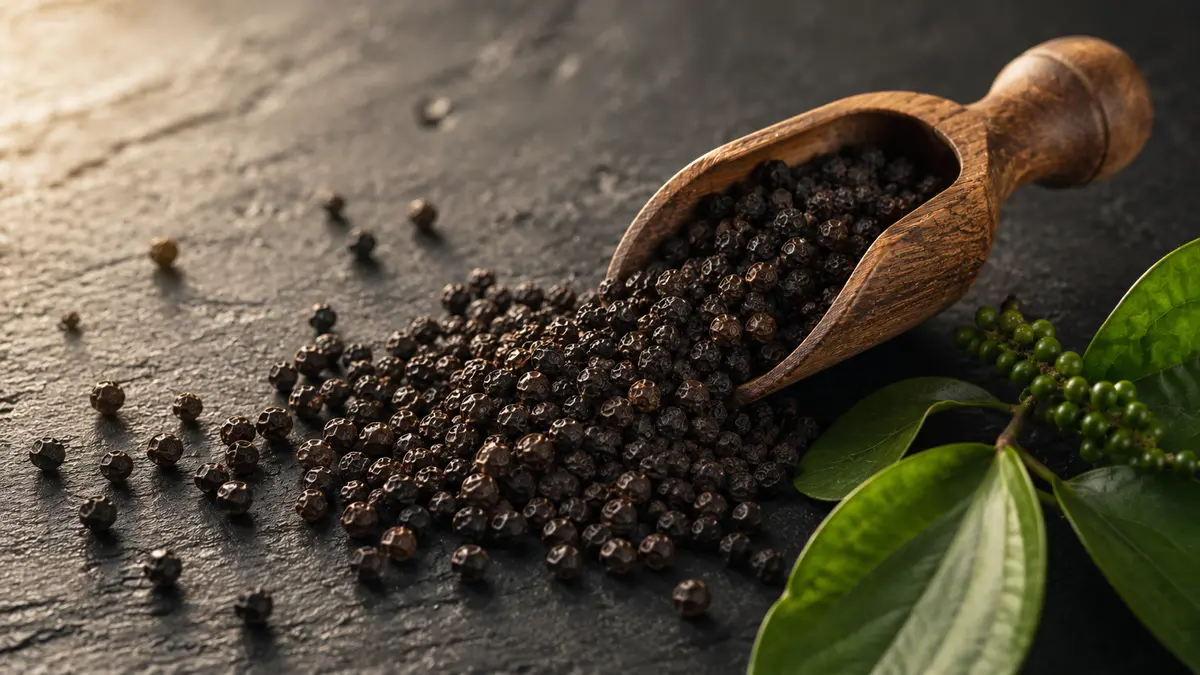
India is the world’s #1 source for premium black pepper grades. TGSEB FOB hits $8,500–$10,500/MT in 2026 as Vietnam’s La Niña shortfall drives buyers back to Kerala. Here is the grade guide every buyer needs.
Read More →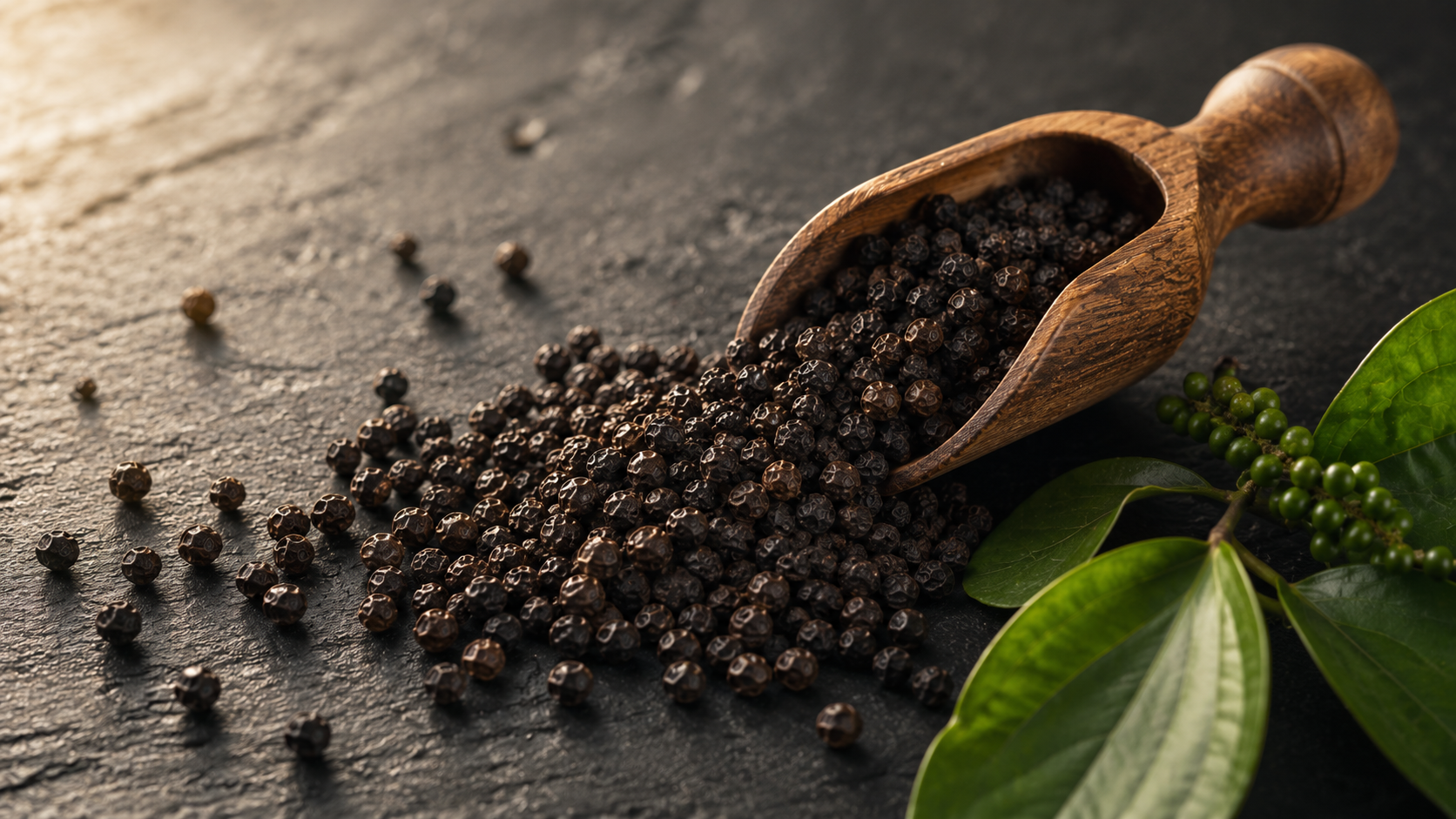
India produces only 8–10% of global black pepper — but dominates the premium segment. El Niño-driven Vietnam supply tightness has pushed TGSEB FOB Cochin to US$ 9,000–11,000/MT. This guide decodes the TGSEB/TGEB/MG1/MG2 grade ladder, 2026 FOB benchmarks, EU pesticide compliance, and the dual-origin sourcing strategy procurement teams are running in 2026.
Read More →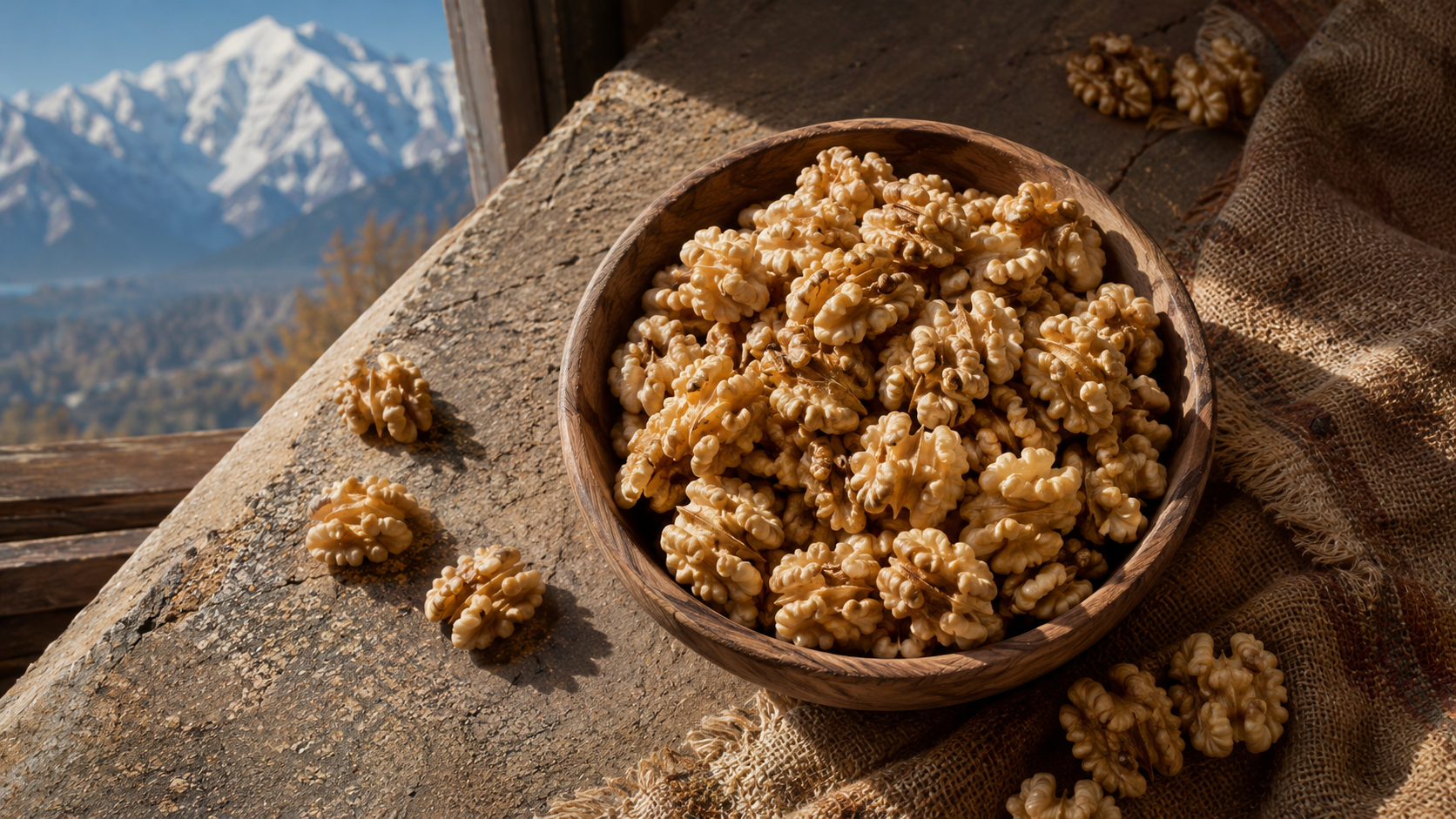
India exports ~2,500 MT of walnuts per year (USDA FAS, MY 2025-26 forecast) — a niche premium play, not a volume one. Kashmir light halves command US$ 8–12/kg FOB for their pale-cream colour and low-bitterness profile. This guide covers grades, EU aflatoxin compliance, FOB benchmarks vs California and Chile, and how to source verified Kashmir walnuts.
Read More →
India's walnut exports are gaining traction in 2026, with Kashmir light halves carving a niche against dominant suppliers. Indian walnut shipments reached approximately 4,800 MT in FY 2025-26, a 22% increase. Kashmir walnuts command FOB prices of $5.50–7.00/kg for light halves, offering a 15–25% cost advantage over California Chandler halves.
Read More →
India produces 85–90% of the world’s castor oil, with Gujarat’s Saurashtra belt at the centre. FY 2025-26 exports are valued at ~$1.6 billion. Here is what every industrial buyer needs to know.
Read More →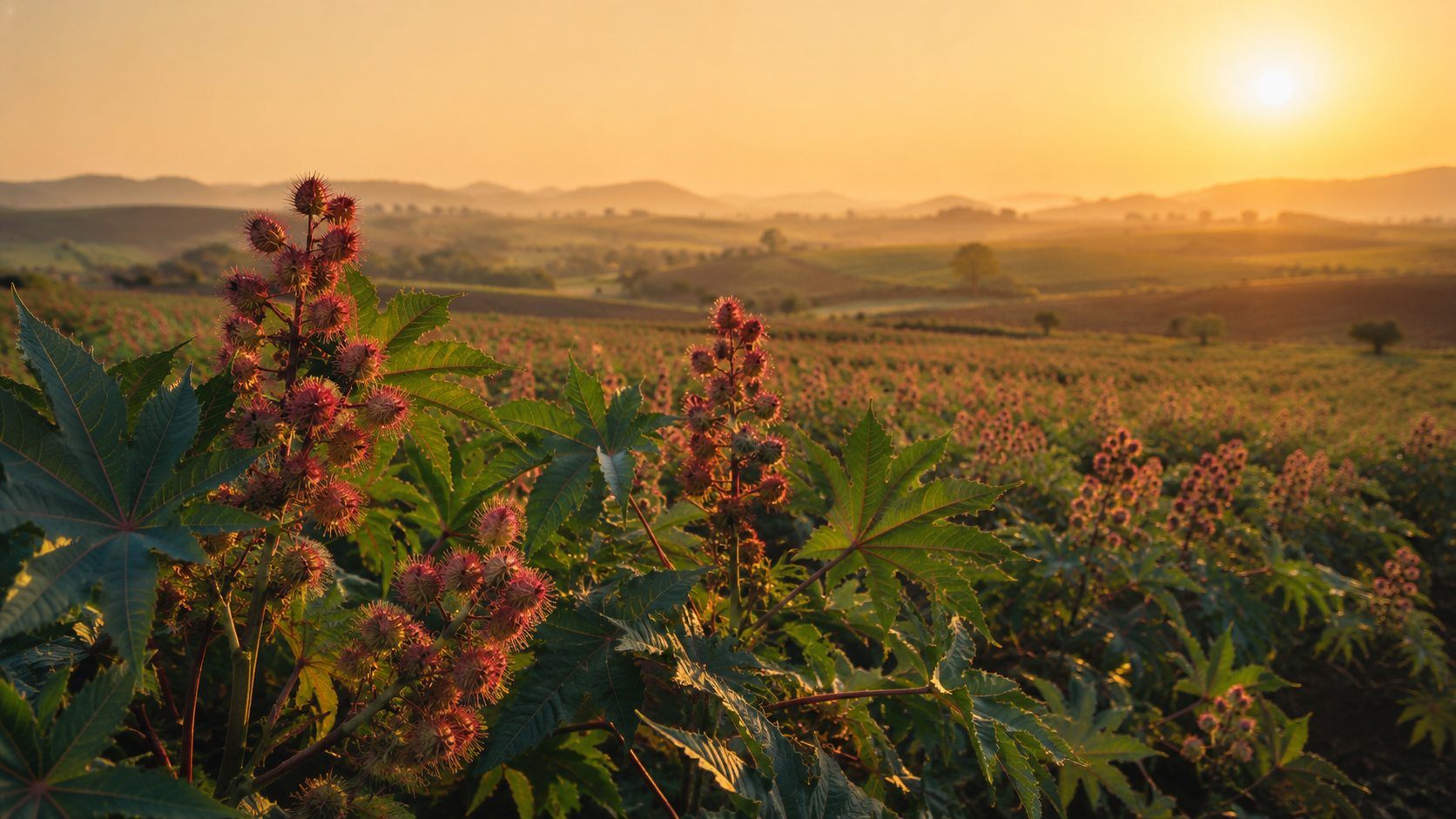
India produces 85–90% of the world's castor oil, anchored in Gujarat. FY 2025-26 exports reached approximately US$ 1.04 billion across ~670,000 MT of shipments, with a record 2.049 million tonne crop projected. This procurement guide covers FSG/HCO/12-HSA grade specs, 2026 FOB price benchmarks from Kandla and Mundra, the Kharif contracting window, and what every CoA must include.
Read More →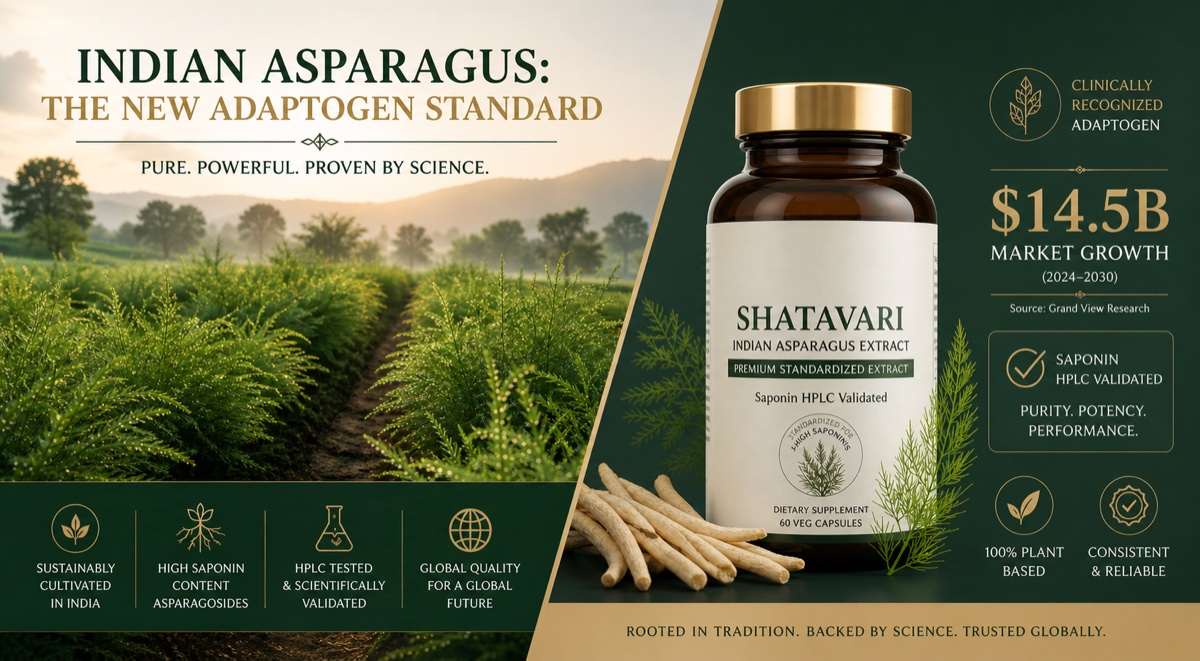
Ashwagandha has held the adaptogen crown long enough. In 2026, Shatavari (Asparagus racemosus) is defining the second-wave market — hormone balance, lactation support, and female reproductive health. With the global adaptogens market at $14.5 billion, this guide covers HPLC vs UV testing, cultivated vs wild-harvested supply risks, 2026 pricing tiers ($1,200–$25,000/MT), and DSHEA/EU Novel Food compliance realities.
Read More →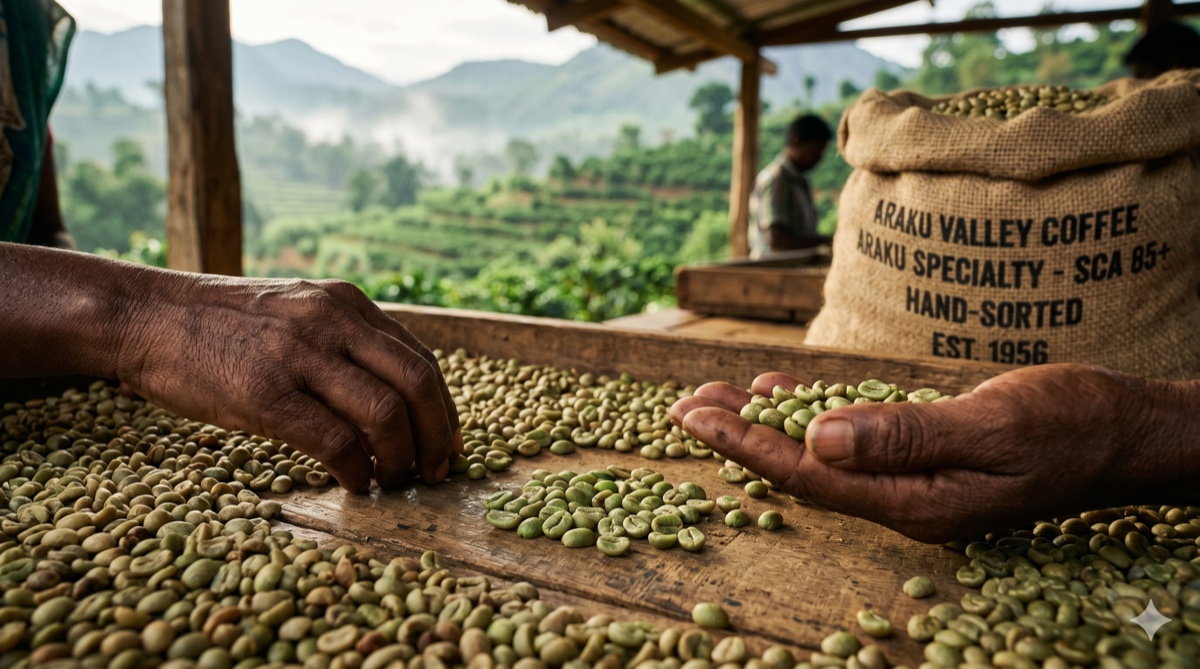
India's coffee exports hit a record $1.8 billion in FY 2025–26. While Robusta still anchors Italian espresso blends at $3,200–$3,800/MT FOB, the real story is the Premium Grade Revolution in Araku and Coorg — specialty Arabica lots now commanding up to $6,200/MT. This guide covers origin profiles, Monsoon Malabar's resurgence, and why Form CT-1 is your only guarantee of authentic Indian provenance.
Read More →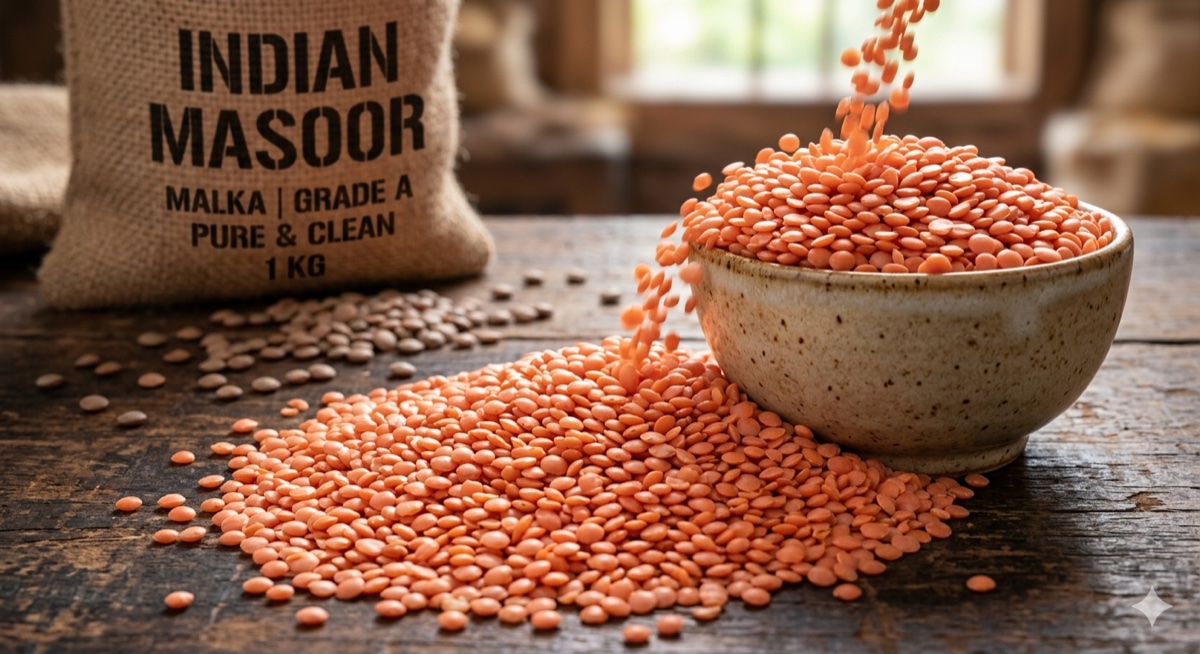
India's red lentil (masoor dal) exports are operating under their most open policy environment in nearly four years — 0% customs duty, export caps removed. With 1.5–2 million MT annual production and estimated FY 2025–26 exports of 450,000–600,000 MT, India is back as a competitive source for Bangladesh, Sri Lanka, Egypt, the UAE, and the UK. This guide covers grades (Bold Whole, Regular Whole, Split Malka), EU compliance requirements, and 2026 procurement strategy.
Read More →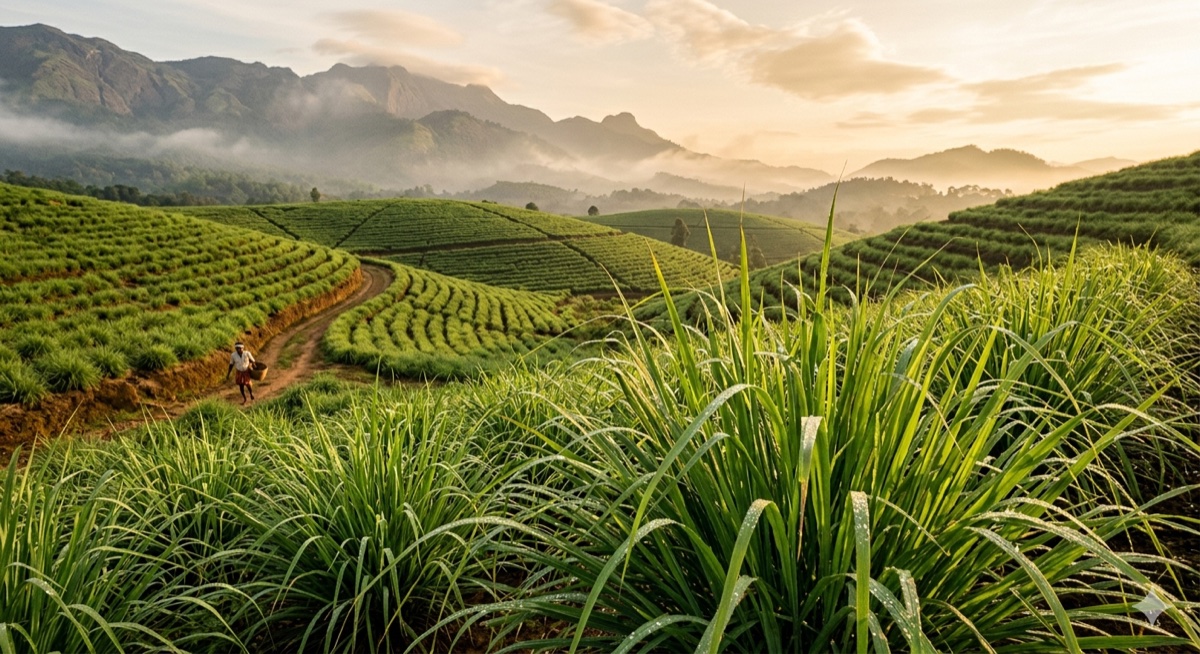
India commands 60–65% of global lemongrass essential oil supply, built on two distinct chemotypes — C. flexuosus from Kerala with 75–85% citral, and C. citratus for food and cosmetic niches. With domestic demand rising and Middle East logistics disruptions extending lead times by 30–45 days, 2026 demands a precision procurement strategy. This guide covers chemotype selection, GC/MS verification, pricing tiers, and why spot purchasing is no longer viable.
Read More →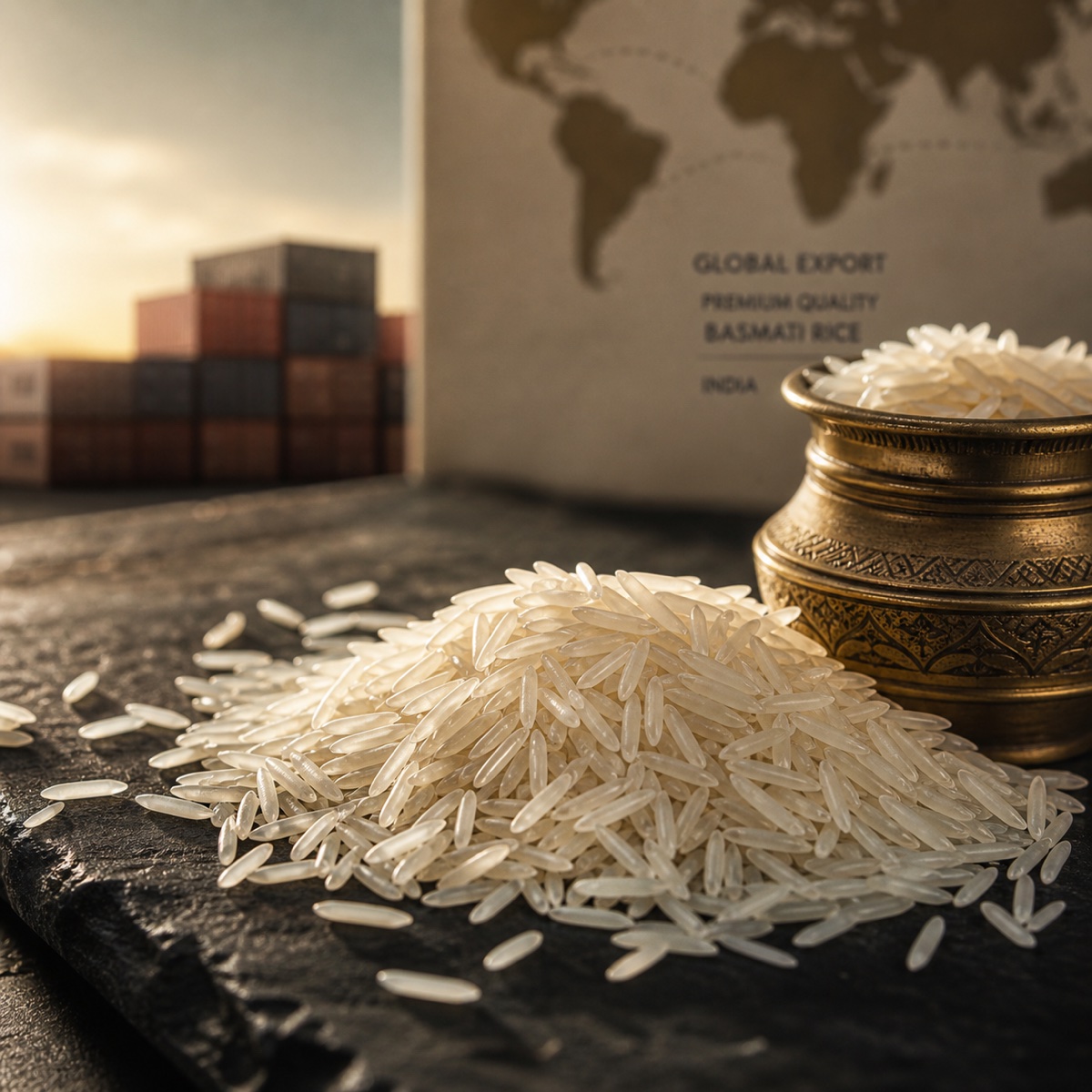
India's Basmati sector hit a commanding $5.8 billion in FY 2025–26 despite broader rice export headwinds. With Kharif 2026 sowing beginning in June and El Niño conditions pointing to a tighter yield, the pre-season booking window (May–August) is now open. This guide covers FOB pricing for 1121, PB 1718, and 1509 varieties, the 40/60 split procurement strategy, EU MRL compliance, and GI traceability requirements.
Read More →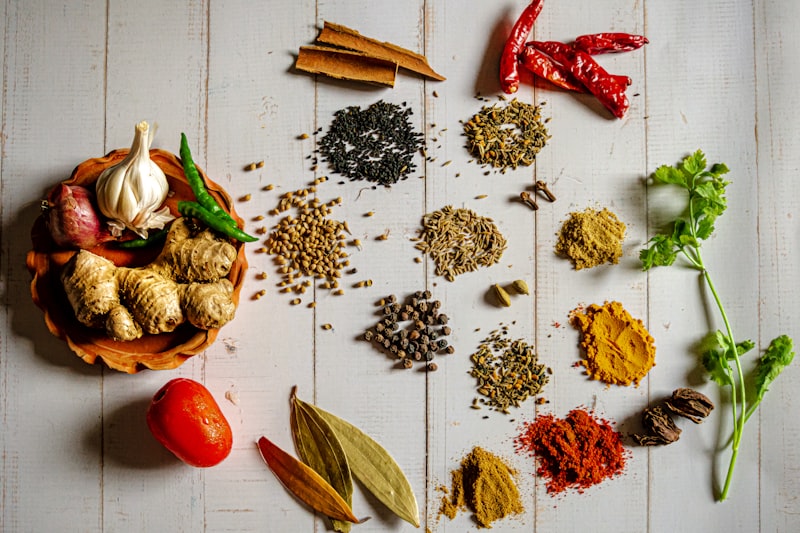
India supplies 70–75% of the world's cumin. With 2026 new crop arriving April–May and Unjha market prices stabilizing, this is the definitive procurement guide for importers buying Indian jeera at scale.
Read More →
India's agricultural exports in H1 FY 2025-26 reached $26.8 billion, a 12% increase over the same period last year, driven by strong performances in rice, spices, and marine products. The spice sector alone contributed $2.4 billion. H2 2026 forecasts suggest total agro exports could reach $55 billion for the full fiscal year.
Read More →
India's clove and cinnamon exports collectively reached $320 million in FY 2025-26. Indian clove production from Kerala, Tamil Nadu, and Karnataka totals approximately 1,800 MT annually. Clove FOB prices have stabilized at $12,000–15,000/MT for handpicked select grade.
Read More →
India's wheat flour and semolina exports are rebounding in 2026, with shipments projected at 420,000 MT valued at $185 million. African nations account for 45% of Indian flour exports.
Read More →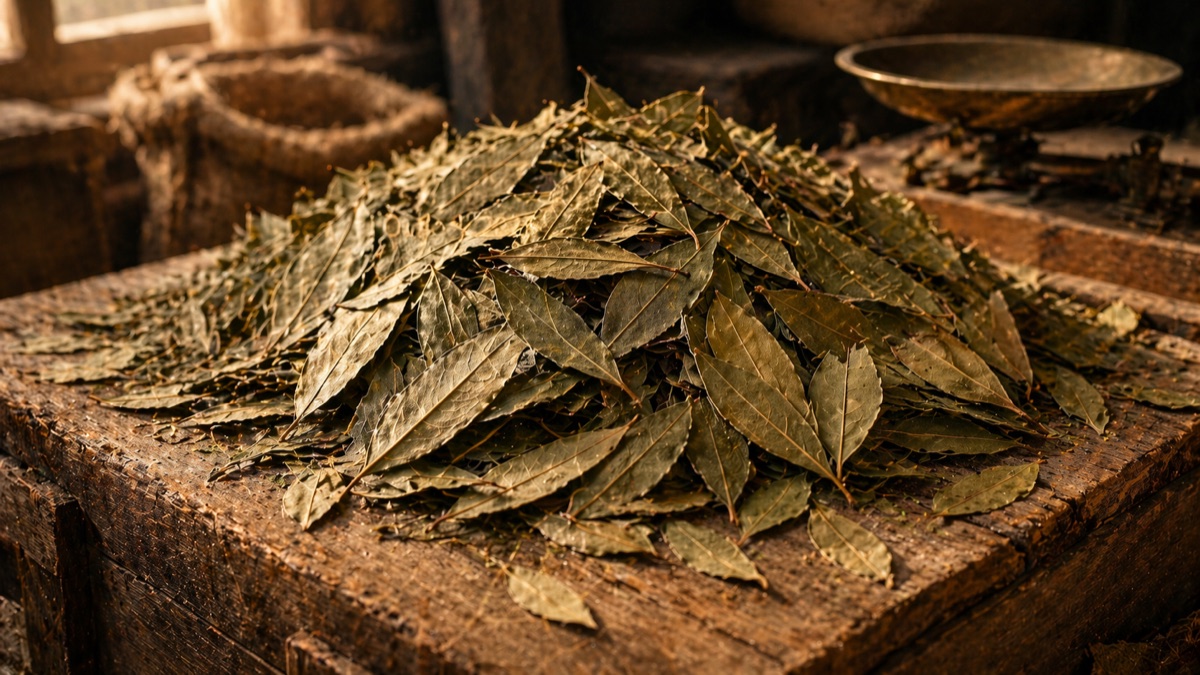
India now ships 25,000–30,000+ MT of bay leaves annually, valued at over $40 million — placing it in the global top three alongside China and Turkey. Indian tej patta FOB prices range from $2,200–3,800/MT for cleaned export grades, with GI-tagged and organic variants commanding substantial premiums.
Read More →
East Indian Sandalwood oil (Santalum album) commands $1,500–3,000/kg FOB — double Australian grades — for good reason. This guide covers santalol content benchmarks, CITES compliance, adulteration detection, and procurement strategy for luxury fragrance houses and Ayurvedic buyers.
Read More →
India is the world's fifth-largest raisin producer, with shipments reaching 32,000 MT valued at $78 million in FY 2025-26. Sangli and Nashik districts in Maharashtra dominate production. Golden raisins lead export volumes at 60%, with FOB prices ranging from $1.80–3.20/kg depending on variety and grade.
Read More →
India controls 75–80% of global mentha oil supply. This export guide covers grades, FOB prices, harvest windows, compliance specs, and procurement strategy for pharma, flavor, and cosmetics buyers.
Read More →
India's ashwagandha root exports surged 34% year-on-year in FY 2025-26, reaching an estimated $210 million as US and EU supplement markets embrace adaptogens. The US alone accounts for nearly 55% of global ashwagandha demand. EU Novel Food authorization updates in 2026 have further opened the European market.
Read More →
India produces approximately 1.2 million MT of turmeric annually, commanding 75% of global output and 65% of world exports. FOB prices for high-curcumin turmeric powder (5%+ curcumin) range from $1,800–$2,300/MT, while standard 2–3% curcumin grades trade at $1,200–$1,500.
Read More →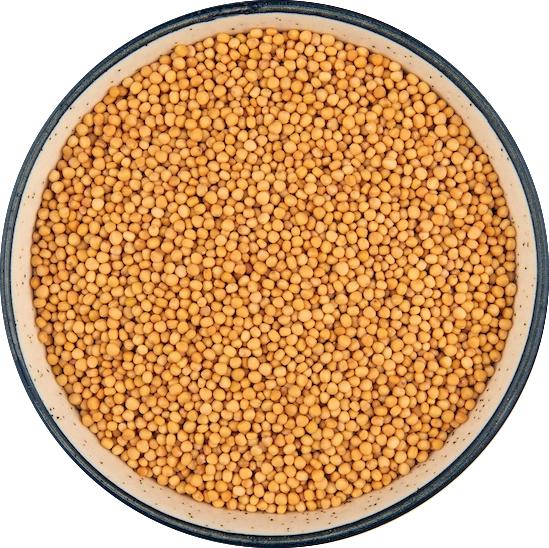
India produced 12.6 million MT of rapeseed-mustard in 2024-25. A February 2026 heat event tightened supply, pushing the MSP to Rs. 6,200/quintal with RAJFED procuring 1.37 MMT. FOB brown mustard: $580–660/MT. EU tariff shift away from Russian origins is opening premium market access for Indian exporters.
Read More →
Global cardamom prices surged to $28–$35 per kg FOB for Indian 8mm bold green cardamom in Q1 2026, driven by a 15% production decline in Guatemala due to adverse weather. India produced an estimated 28,000 MT from Kerala and Karnataka. With Saudi Arabia and UAE importing over 40,000 MT annually, supply-demand balance remains tight.
Read More →India dominates global fenugreek production with over 80% market share, producing approximately 390,000 MT annually from Rajasthan, Gujarat, and Madhya Pradesh. EU imports of Indian fenugreek seeds grew 28% in 2025, driven by demand for galactomannan fiber and 4-hydroxyisoleucine.
Read More →
India's soybean meal exports rebounded strongly in FY2025-26, with shipments projected at 2.8 million MT — a 35% increase from the previous year. FOB Kandla prices for Hi-Pro solvent-extracted meal (46–48% protein) are trading at $420–$460 per MT. India's non-GMO status remains a critical differentiator.
Read More →India exported over 32,000 MT of dried ginger in FY2025-26, with Cochin (Kerala) origin accounting for 65% of premium shipments. FOB prices for Super Deluxe grade range from $2,400–$2,800 per MT, while A1 grade trades at $1,900–$2,200.
Read More →India's coriander seed production in the 2025-26 rabi season is estimated at 420,000 MT, up 22% from the previous year. FOB prices for Eagle-quality coriander have dropped to $1,050–$1,150 per MT from highs of $1,400 in late 2025. Global import demand remains robust at over 85,000 MT annually.
Read More →
Two years after the International Year of Millets, India's millet exports have sustained a remarkable CAGR of 18% and are on track to reach $95 million in FY2025-26. Finger millet (ragi) shipments to the EU grew 42% year-on-year, while pearl millet demand from the Middle East and Africa surged by 35%.
Read More →
India produces over 900,000 MT of fennel seeds annually and controls approximately 70% of the global export market, with Gujarat's Unjha mandi serving as the world price-setting hub. Export volumes in FY2025-26 are projected at 58,000 MT valued at $165 million.
Read More →
India processed 1.9 million MT of raw cashew nuts in 2025, exporting 125,000 MT of finished cashew kernels valued at $980 million. W320 (320 count/lb) is the world's most traded cashew grade, with Indian W320 quoting at $5.80–$6.40/lb FOB. Vietnam's rising labor costs and India's reinvestment in domestic processing are narrowing the competitiveness gap.
Read More →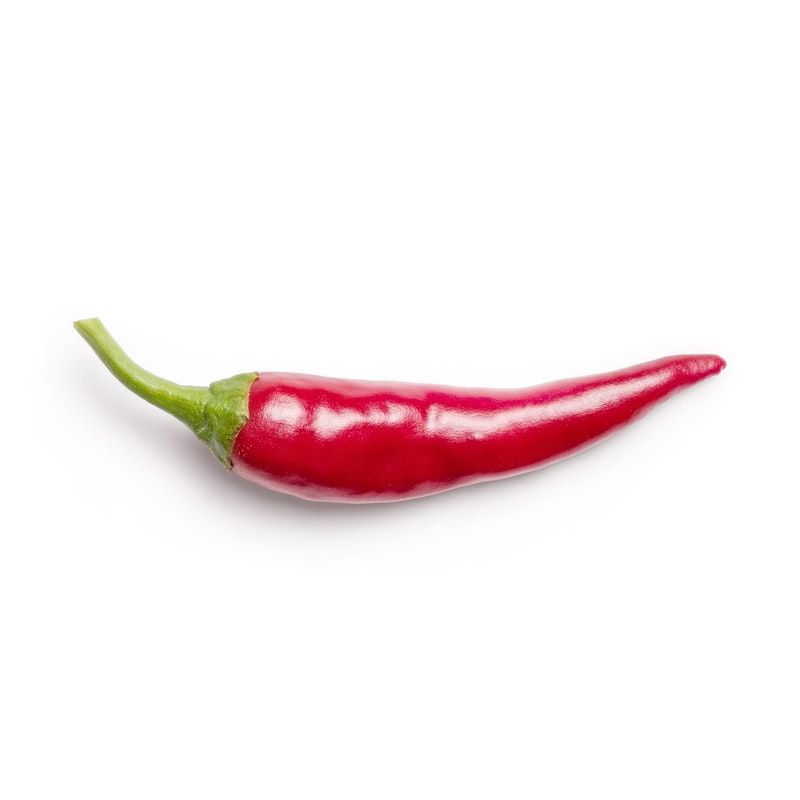
India exported over 580,000 MT of red chilli in FY2025-26, valued at approximately $1.3 billion, with Guntur S4 and Byadgi varieties accounting for 65% of total volume. Guntur S4 dry chilli offers 30,000–40,000 SHU heat and trades at $1,200–$1,400/MT FOB, while Byadgi delivers rich red color (180–220 ASTA) at $1,600–$1,900/MT.
Read More →
India's revised pulses export policy, effective February 2026, removes quantity caps on chickpea and lentil exports for the first time in three years. The country produced a record 27.5 million MT of pulses in 2025-26, creating an exportable surplus of 3–4 million MT. FOB prices for 8mm+ kabuli chickpeas range from $680–$750/MT.
Read More →
Japan and South Korea imported over 95,000 MT of sesame seeds from India in 2025, valued at $210 million. Japanese buyers demand 99.97% purity hulled sesame with aflatoxin below 5 ppb, while Korean importers specify natural sortex-clean seeds with less than 0.1% foreign matter. FOB prices for hulled sesame 99.97% range from $1,850–$2,100/MT ex-Mundra.
Read More →
Black pepper prices surged 35% in Q1 2026 as Vietnam's production dropped to 155,000 MT from 180,000 MT due to aging plantations and drought. Indian Malabar TGSEB pepper now trades at $5,800–$6,200/MT FOB Cochin, up from $4,300/MT a year ago. Global buyers are pivoting to Karnataka and Kerala origins.
Read More →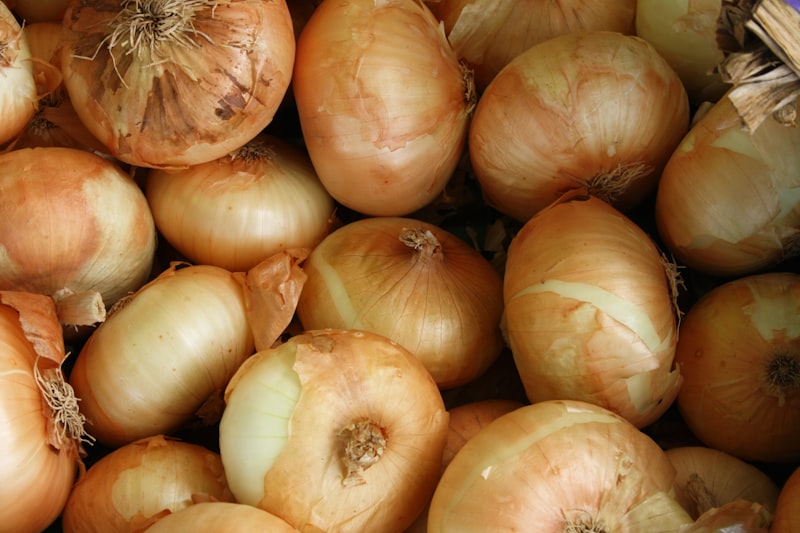
India's dehydrated onion and garlic exports are projected to reach $800 million in 2026, up from $620 million in 2024. Mahuva and Bhavnagar in Gujarat process over 60% of India's dehydrated allium output, with white onion flakes trading at $1,400–$1,600/MT FOB.
Read More →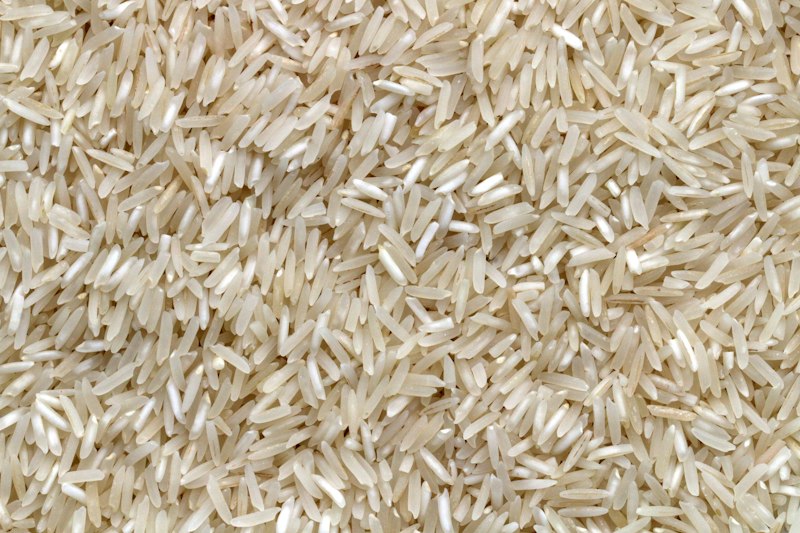
India's non-basmati parboiled rice exports rebounded sharply in early 2026, with shipments to Africa exceeding 3.2 million MT in the first three quarters of FY26. IR-8 and Swarna Sella Golden varieties lead the charge, with FOB prices at $420–$460/MT from Kakinada and Krishnapatnam ports.
Read More →
The European Commission's revised MRL limits effective April 2026 tighten tolerances on ethylene oxide to 0.02 mg/kg and introduce new caps on 12 pesticide residues commonly found in cumin and chilli. India's $1.9 billion spice export industry faces an estimated 8–12% compliance cost increase.
Read More →
India's groundnut exports surged 28% YoY in FY2025-26, crossing 620,000 MT valued at $1.1 billion. Indonesia, Vietnam, and the Philippines accounted for 45% of bold peanut shipments, while African markets including Senegal and Algeria grew 35%. FOB prices for Java-count bold peanuts stabilized at $1,080–$1,150/MT C&F, making Indian origins highly competitive against Argentine supply.
Read More →India's government has revised the Minimum Export Price (MEP) for Basmati rice in 2026. We analyze how the new pricing floor affects importers in the Middle East, EU, and USA. With 1121 and 1718 varieties dominating, we break down current FOB rates per MT, container capacities, and the best procurement windows for buyers looking to lock in annual contracts. Key insight: 1718 Basmati is now outselling 1121 in several GCC markets due to superior aroma at competitive pricing.
Read More →Unseasonal rainfall in Rajasthan and Gujarat has damaged the 2026 cumin crop, with production estimates down 30% from last year. This is pushing cumin prices to multi-year highs across all grades — Singapore, Europe, and USA quality. We analyze the supply deficit, price forecasts through Q3 2026, alternative sourcing from Syria and Turkey, and recommend hedging strategies for bulk cumin importers. Volatile oil content and physical purity specs remain stable for available stock.
Read More →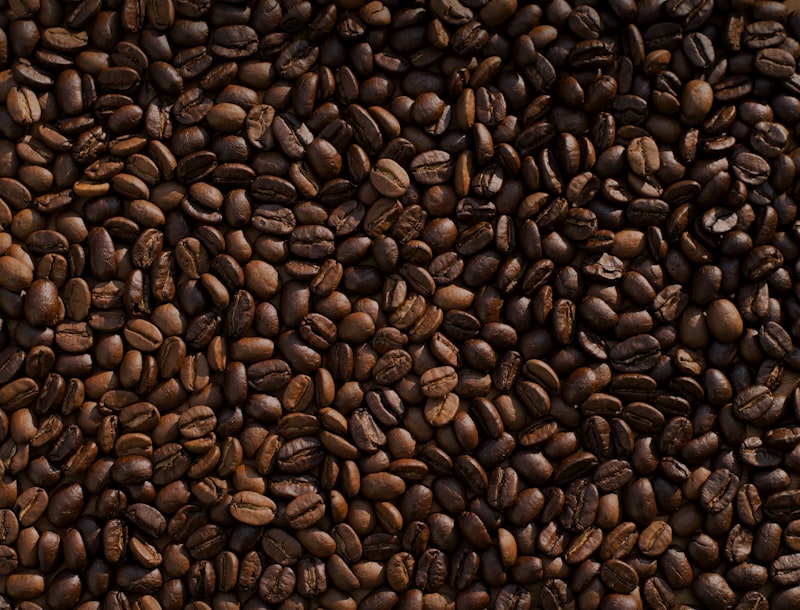
India's specialty coffee exports grew 40% year-on-year in FY2025, driven by demand from European and Japanese roasters for single-origin, shade-grown Arabica from Coorg (Kodagu) and Chikmagalur. The Coffee Board of India reports that Arabica Plantation A and Peaberry grades are achieving premium pricing 20-30% above standard FOB rates. We profile the key growing regions, processing methods (washed vs natural), cup profiles, and how importers can source directly from estate-level producers through aggregators like Radiance Overseas.
Read More →
The European Union Deforestation Regulation (EUDR), effective from December 2025, requires importers to prove that agricultural products are deforestation-free. While India's agro exports — rice, spices, coffee, pulses — are largely from established agricultural land, the documentation requirements have changed. We explain what the EUDR means for Indian exporters, which product categories are affected, what due diligence documentation importers need, and how Radiance Overseas has adapted its traceability systems to ensure EUDR compliance for all EU-bound shipments.
Read More →
India exported over 350,000 MT of sesame seeds in 2025, a new record driven by surging tahini and hummus consumption in the Middle East, Europe, and North America. Hulled sesame 99.95% purity remains the dominant export grade, with Gujarat and Rajasthan accounting for 85% of production. We analyze the price dynamics between Indian, Ethiopian, and Sudanese sesame, the impact of El Nino on the 2026 crop outlook, and quality benchmarks that buyers should specify for food-grade applications including FFA, moisture, and microbiological limits.
Read More →
The ongoing Red Sea shipping disruption continues to impact Indian agro exports to Europe and the Mediterranean. Container vessels are rerouting via the Cape of Good Hope, adding 10-14 days transit time and $1,500-2,500 per TEU in additional freight costs. We analyze the impact on CIF pricing for rice, spices, and coffee shipments from JNPT and Mundra ports, the shift in buyer preference toward larger single shipments to amortize freight costs, and when the situation is expected to normalize. Alternative routing through Haifa and overland corridors is also discussed.
Read More →
The global ashwagandha market is projected to reach $1.5 billion by 2027, and India controls over 80% of raw material supply. Madhya Pradesh and Rajasthan dominate production, with Nagori and regular varieties offering different withanolide concentrations. We examine the three key market segments — root powder (1.5% withanolides), concentrated extract (5%), and KSM-66 full-spectrum extract (>5%) — pricing differences, USDA organic certification requirements for the US supplement market, and why European buyers increasingly demand heavy metal and pesticide residue testing beyond standard NABL COA parameters.
Read More →
India has updated its pulse export policy for FY2025-26, removing quantity restrictions on kabuli chickpeas while maintaining a floor price on desi chana. This policy shift is significant for Middle Eastern hummus manufacturers and EU food processors who rely on Indian 42/44 count kabuli chickpeas. We detail the current export regulations, available stock estimates from MP and Rajasthan, price comparison with Australian and Canadian chickpeas, and why Indian kabuli is gaining market share due to competitive pricing and improving quality grading infrastructure.
Read More →India operates two parallel organic certification systems — NPOP (National Programme for Organic Production) for third-party certified organic, and PGS-India (Participatory Guarantee System) for smallholder farmer groups. For international trade, only NPOP certification is recognized for export. We explain the critical differences, why importers must verify that their Indian supplier holds NPOP (not just PGS) certification, how the Transaction Certificate (TC) system works for each shipment, and the list of NPOP-accredited certifying bodies that EU and USDA recognize. Common compliance pitfalls that delay customs clearance are also covered.
Read More →India's dehydrated onion and garlic exports exceeded $800 million in FY2025, with Maharashtra's Nashik-Malegaon belt producing over 60% of global supply. The instant noodle, ready-meal, and seasoning industries are the primary demand drivers. We analyze the quality grades (minced, flakes, granules, powder), moisture and SO2 specifications that different markets require, the price advantage of Indian dehy products vs Chinese competitors, and why major food manufacturers like Nestle, Unilever, and ITC are increasingly sourcing from certified Indian producers. Infrastructure investments in Nashik's dehy processing cluster are creating new capacity for 2026.
Read More →Africa imports over 15 million MT of rice annually, and India is the dominant supplier of parboiled non-basmati grades. IR 64 Parboiled, PR 11, and Swarna are the workhorse varieties, shipping from JNPT and Mundra at 25 MT per 20-foot container. We break down the quality specifications (broken percentage, moisture, color) that Nigerian, Ghanaian, and Beninese importers require, current FOB and CIF pricing, the role of pre-shipment inspection (SGS/Bureau Veritas), and how India's non-basmati export policy has evolved since the 2023 ban. Demand from East African markets — Tanzania, Kenya, Madagascar — is the newest growth segment.
Read More →
Maximum Residue Limits (MRLs) for pesticides and aflatoxin levels are the number one reason for shipment rejection at EU and US customs. The EU's Rapid Alert System for Food and Feed (RASFF) flagged 47 Indian agro shipments in 2024 for MRL non-compliance — primarily spices and groundnuts. We explain the EU MRL database, US FDA detention thresholds, NABL lab testing protocols that exporters must follow, the critical difference between NABL and non-NABL certificates, and how Radiance Overseas implements a three-stage testing protocol (farm-gate, pre-processing, and pre-shipment) to ensure zero rejections. Specific MRL limits for turmeric, cumin, black pepper, and groundnuts are tabulated.
Read More →Indian black pepper commands a premium over Vietnamese pepper due to higher piperine content and distinctive flavor profile. But what exactly differentiates Malabar Grade 1 (MG1) from Tellicherry Extra Bold (TGSEB)? We provide a technical comparison covering berry size, bulk density, piperine percentage, volatile oil content, and moisture levels across Indian, Vietnamese, Brazilian, and Indonesian origins. For food manufacturers blending pepper for retail or food service, we explain which origin and grade delivers the best cost-per-unit-of-piperine ratio. Current pricing and crop outlook for the 2025-26 Kerala harvest season are included.
Read More →What India's millet export figures actually show, how ragi, bajra, foxtail and jowar compare with wheat per 100 g, and what importers should specify.
Read More →
Indian groundnuts are a $1 billion+ export category, but aflatoxin contamination remains the single biggest trade barrier. The EU's RASFF system flagged 23 Indian groundnut shipments in 2024 for aflatoxin B1 levels exceeding 2 ppb (total aflatoxin >4 ppb). We explain the science behind aflatoxin contamination in groundnuts, the critical role of pre-harvest and post-harvest management, how NABL-accredited lab testing with HPLC methodology differs from rapid test kits, and the specific sampling protocols (Commission Regulation 401/2006) that importers must understand. HPS (Hand Picked Selected) grade groundnuts with controlled cold chain storage consistently meet EU limits — we explain why.
Read More →
India's instant coffee exports crossed $900 million in FY2025, with freeze-dried Arabica growing at 25% annually. Russia, CIS countries, Southeast Asia, and Africa are the largest markets, but EU and USA demand for premium freeze-dried is accelerating. We compare spray-dried (powder/agglomerated) vs freeze-dried (crystal) production processes, pricing per MT, shelf life, solubility, and aroma retention characteristics. For private-label buyers, we outline the MOQ, lead time, custom blend ratios (Arabica/Robusta), and packaging options available from Indian manufacturers. India now ranks as the world's 5th largest instant coffee exporter.
Read More →Adani's Mundra port in Gujarat has officially overtaken JNPT (Nhava Sheva) as India's largest container port by TEU volume. For agro exporters, this shift has significant implications — Mundra offers faster turnaround times, lower CFS charges, and better connectivity to Gujarat and Rajasthan origins (sesame, cumin, groundnut, castor). We compare Mundra vs JNPT vs Chennai across five parameters that matter for agro commodity exporters: transit time to key destinations, shipping line coverage, refrigerated container availability, CFS and port charges, and container availability. Our recommendation: use Mundra for oil seeds, spices, and cereals; JNPT for rice; Chennai for coffee and South Indian products.
Read More →Moringa oleifera leaf powder is technically classified as a 'novel food' under EU Regulation 2015/2283, which means it requires pre-market authorization for sale in the EU. However, enforcement varies by member state, and several Indian exporters have successfully placed moringa products through the 'traditional food from third country' notification pathway. We explain the regulatory status in the EU, UK (post-Brexit rules differ), USA (GRAS status), and Australia/NZ, the required documentation for each market, and how organic certification (EU Organic + USDA NOP) strengthens the regulatory position. Current pricing, protein and iron content specifications, and major EU buyer profiles are included.
Read More →India's domestic toor dal (pigeon pea) prices have risen 45% in 2025 due to consecutive poor monsoon seasons in Maharashtra and Karnataka. While this has triggered government intervention in the domestic market, it has simultaneously opened an export window for masoor dal (red lentils) and moong dal, which are in surplus. For international buyers, this creates an arbitrage opportunity — Indian masoor dal is currently 15-20% cheaper than Canadian red lentils on a CIF basis for Middle Eastern and South Asian destinations. We analyze the export policy implications, available surplus estimates, quality specifications, and why lentil importers should act before the next kharif season changes the equation.
Read More →An increasing number of European and American importers are sourcing Indian rice, spices, and pulses for their own private label brands. But the specification process is complex — packaging material (PP, BOPP, jute, vacuum, nitrogen-flushed), labeling regulations (EU FIC 1169/2011, FDA 21 CFR 101), barcode formats (EAN-13 vs UPC-A), nutritional panel requirements, allergen declarations, and country-of-origin labeling all vary by destination market. We provide a complete specification checklist that importers should share with their Indian supplier, common mistakes that cause customs delays, and the typical MOQ and lead time for private label orders. Radiance Overseas offers private label packaging from 500g retail packs to 50kg bulk bags with custom branding.
Read More →If you are importing Indian Basmati rice for the first time, the terminology can be confusing. What exactly is the difference between Raw (white milled), Sella (parboiled), and Steam (lightly steamed) Basmati? This comprehensive guide explains the processing differences with visual comparisons, how each type behaves during cooking (elongation ratio, stickiness, texture), which markets prefer which type (Middle East prefers Sella, EU/USA prefer Raw, South Asia prefers Steam), pricing differences per MT, and shelf life considerations. We cover this for all four major Basmati varieties: 1121, 1718, Pusa, and 1509. Container loading capacity and standard quality specifications (broken %, moisture, whiteness) for each processing type are included in a downloadable comparison table.
Read More →India's Basmati rice exports have surged past the $5 billion mark in FY2025, driven by strong demand from GCC countries, the EU, and the USA. We break down the numbers and what it means for importers.
Read More →Turmeric finger prices in India have reached a 5-year peak due to lower production in Telangana and Maharashtra. How should importers plan their procurement strategy for 2025?
Read More →From moringa powder to hulled sesame and freeze-dried coffee — these are the 10 Indian agro exports seeing the strongest demand growth in global markets this year.
Read More →A step-by-step guide for importers looking to source Basmati rice from India — grades explained, pricing factors, documentation checklist, and how to vet an Indian supplier.
Read More →India's NPOP (National Programme for Organic Production) is recognised by the EU as equivalent for unprocessed plant products, but it is not recognised by the USDA. Organic products for the US must be certified to USDA NOP by a USDA-accredited certifier. Here is what importers need to know about documentation, scope, and limitations.
Read More →
Shade-grown, wet-processed, single-origin Arabica from Karnataka and Kerala is gaining market share in EU specialty coffee. Here is why roasters are making the switch.
Read More →Alleppey and Erode are India's two dominant turmeric origins. We compare curcumin content, color values, pricing, and which grade suits your market best.
Read More →India's 8-digit ITC-HS codes for basmati, parboiled and broken rice, the 2026 export policy for each, and the documents every shipment needs.
Read More →After a 14-month ban, India has partially lifted restrictions on non-basmati white rice exports. We explain the new floor price, conditions, and what importers should do now.
Read More →Hulled, natural, black, and mixed — understanding India's sesame seed grades, pricing, purity standards, and which grade suits tahini, bakery, and oil extraction.
Read More →
Four West African ports took 5.6 million tonnes of Indian rice in 2024/25. What drives the trade, how policy changed, and why pulses mostly flow the other way.
Read More →Global ashwagandha demand has tripled since 2020. We cover KSM-66 vs root powder, withanolide specifications, USDA organic certification, and export documentation.
Read More →India supplies over 60% of the world's dehydrated onion. We explain the Maharashtra supply chain, quality grades, moisture specs, and how to import reliably.
Read More →India and Australia are the world's two largest chickpea exporters. We compare grades, pricing, protein content, and delivery reliability for food manufacturers.
Read More →The 1121 is the world's longest-grain Basmati. But which processing type is right for your market? We compare raw, sella cream, sella golden, and steam grades.
Read More →GMP+ Feed Safety Assurance is mandatory for exporting animal feed to the EU. We explain the certification process, audit requirements, and how Radiance maintains compliance.
Read More →Both are instant coffee but the processing, pricing, and market positioning are completely different. Here is a buyer's guide to choosing the right format.
Read More →India's three major agro export ports compared — transit times, shipping line coverage, CFS charges, and which port is best for your destination.
Read More →India's July 2023 ban on non-basmati white rice exports shook global markets. We analyze the impact on prices, alternative sourcing, and when the ban might lift.
Read More →Indian agricultural exports reached an all-time high. Rice, spices, coffee, and organic products led the growth. Here are the key trends importers should watch.
Read More →Vietnamese black pepper production dropped 15% in 2023, pushing global buyers toward Indian Malabar and Tellicherry grades. How pricing and supply are shifting.
Read More →India is the world's second-largest groundnut producer. We explain the count system (40/50, 50/60, 60/70), aflatoxin testing, and HPS premium grades.
Read More →Every agro shipment from India requires a Phytosanitary Certificate from the Plant Quarantine Authority. We explain the process, timeline, and common rejection reasons.
Read More →India's masoor dal exports are growing fast, especially to the Middle East, Turkey, and South Asia. Current pricing, quality grades, and procurement tips for importers.
Read More →Indian Robusta from Karnataka and Kerala offers high caffeine, full body, and competitive pricing. How European and Asian roasters use it in their espresso blends.
Read More →India exports over 80% of the world's psyllium husk. We cover the 85%, 95%, and 99% purity grades, pharmaceutical vs food specifications, and Gujarat's supply chain.
Read More →After two years of record-high shipping costs, container freight rates have normalized. What this means for agro commodity pricing and import planning.
Read More →India is a major dehydrated garlic exporter. We compare Gujarat and MP origins, allicin content, mesh sizes, and how to specify your requirements for food manufacturing.
Read More →Both are popular non-basmati exports but serve very different markets. We compare grain type, pricing, destination markets, and container capacity.
Read More →How Indian agro companies obtain USDA National Organic Program certification for exporting to the USA and Canada. Timeline, costs, and accredited certifying bodies.
Read More →The Russia-Ukraine conflict, fertilizer shortages, and climate disruptions created unprecedented food inflation. How Indian exporters navigated the crisis.
Read More →Port congestion, container shortages, and blank sailings continued to plague global shipping in 2022. Strategies Indian exporters used to maintain delivery commitments.
Read More →India produces 70% of the world's cumin. But Syrian and Turkish cumin are growing competitors. We compare quality, pricing, volatile oil content, and buyer preferences.
Read More →India introduced a 20% export duty on non-basmati rice and banned broken rice exports. We explain the policy changes and their impact on global buyers.
Read More →Indian flaxseeds (linseed) are rich in ALA omega-3 fatty acids. Growing demand from health food markets in EU, USA, and Japan. Quality specs and sourcing guide.
Read More →Toor dal is India's most consumed pulse and a growing export commodity. Current market dynamics, quality grades, and import documentation for international buyers.
Read More →India exported a record 4 lakh MT of coffee in FY2022. Arabica Plantation and Robusta Cherry drove growth, with Italy, Germany, and Belgium as top destinations.
Read More →FSSAI compliance is mandatory for all food exports from India. We explain what importers should ask for and verify.
Read More →Moringa oleifera powder exports from India have grown 300% since 2018. Nutritional profile, EU novel food status, organic certification, and supply chain overview.
Read More →Freight rates from India to Europe hit $12,000 per TEU in 2021. How exporters adapted with alternative ports, consolidation, and advance booking.
Read More →1718 Basmati is rapidly replacing 1121 in many growing areas due to better aroma and competitive yield. What importers need to know about this emerging variety.
Read More →Organic foods, immunity-boosting herbs, and pantry staples saw massive demand spikes in 2021. We analyze which Indian export categories gained the most.
Read More →
India exports 6+ varieties of red chilli. We compare SHU heat levels, ASTA color values, pricing, and which variety suits each application.
Read More →The instant noodle and ready-meal boom during COVID drove record demand for dehydrated onion, garlic, and tomato from India.
Read More →India's National Programme for Organic Production (NPOP) is the foundation of all organic exports. How the certification, inspection, and transaction certificate system works.
Read More →India is the world's largest niger seed producer. Over 80% goes to the USA and EU for finch and canary bird feed.
Read More →India's green moong exports are growing, especially sprouting-grade to SE Asia and protein-grade to EU health food markets.
Read More →The pandemic disrupted Indian agro exports with port closures, labor shortages, and shipping chaos. How the sector recovered faster than expected.
Read More →COVID-19 drove a global surge in demand for Ayurvedic herbs. Ashwagandha, tulsi, amla, and giloy exports saw unprecedented growth in 2020.
Read More →India overtook Thailand as the world's number one rice exporter in 2020. Competitive pricing, diverse varieties, and strong logistics infrastructure drove the shift.
Read More →The Coffee Board of India updated its grading and certification standards in 2020. We explain the Plantation A, B, Peaberry, Cherry AB, and C grade system.
Read More →Every Indian spice exporter must hold a Spice Board RCMC. We explain the registration process, requirements, renewal, and why importers should verify this.
Read More →Which Certificate of Origin do you need for Indian agro imports? APEDA CoO, GSP CoO, or Chamber-issued? We clarify when each type is required.
Read More →Despite new varieties entering the market, Pusa Basmati 1121 remains the volume king. Market share analysis and pricing trends.
Read More →The Agricultural and Processed Food Products Export Development Authority is central to India's agro export ecosystem.
Read More →
Green cardamom prices spiked dramatically in 2019 due to crop damage in Kerala and Guatemala.
Read More →Fumigation is mandatory for most grain and pulse exports. We explain methyl bromide vs aluminum phosphide, ISPM-15 standards, and certificate requirements.
Read More →Indian hulled sesame exports to the Middle East have grown steadily. Quality improvements, 99.95% purity standards, and FFA compliance.
Read More →After years of tight export controls, India eased restrictions on several pulse varieties in 2019.
Read More →ISO 9001 certification ensures systematic quality management in export operations. We explain what the audit covers.
Read More →Monsooned Malabar is made by exposing coffee beans to monsoon winds. The result is a low-acid, heavy-bodied, uniquely Indian bean.
Read More →Indian senna is the world's primary source for pharmaceutical-grade sennoside. Tamil Nadu and Rajasthan origins, TBC grading.
Read More →