
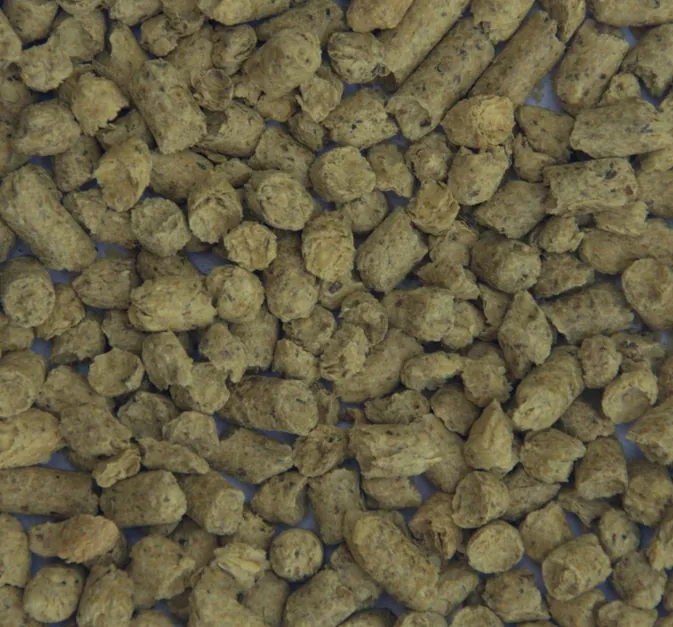
Soybean hull pellets — bulk export from Indore, India
Origin: Madhya Pradesh (Indore / Ujjain / Malwa belt), India
Buyers: Feed mills, cattle and dairy feed manufacturers, importers and traders
| Product | Soy hulls, pelletised (feed grade) |
| Crude fibre | 34–38% |
| Protein | 10–12% |
| Moisture | 12% max |
| Source | Non-GM soybean (India does not permit GM soybean cultivation) |
| Origin | Madhya Pradesh (Indore / Ujjain / Malwa belt), India |
| HS Code | 2302.50 — confirm per destination |
| MOQ | 1 × 20ft FCL (about 18–20 MT) |
| Packing | 50 kg PP bags |
| 20' Container | about 18–20 MT |
| 40' Container | Confirmed with quotation |
| Shelf Life | Stored dry; confirmed per lot on the Certificate of Analysis |
| Incoterms | FOB / CFR / CIF — Mundra or Nhava Sheva (JNPT) |
| Lead Time | Typically 10–15 days from order confirmation, subject to stock and inspection |
| Documents | Certificate of Analysis · Phytosanitary Certificate · Certificate of Origin · Packing List · Bill of Lading (health certificate and non-GMO test report on request) |
| Payment | LC at sight · TT · CAD |
Download specification sheet (PDF)
Soy hull pellets photo: Denis Bastianelli, CIRAD, via Feedipedia, CC BY 4.0 (cropped and resized)
Soy hulls are the outer seed coats that are removed from soybeans before the beans are crushed. They are mostly digestible fibre rather than protein or oil, which makes them a useful fibre ingredient in ruminant rations. Radiance Overseas supplies soy hulls as pellets from Indore, Madhya Pradesh, packed in 50 kg PP bags and shipped in full containers, against the fibre, protein and moisture limits shown above.
Part of our Soya & Soy Products range. Browse every specification in the soya products catalogue.
The main market is feed. Soy hulls are fed to cattle, buffalo, sheep and goats as a source of fibre that rumen microbes can digest, and feed mills use them to balance the fibre in dairy and beef concentrates alongside protein sources such as soybean meal. Because they are low in protein and oil, they are bought for their fibre, not as a protein source, and are priced and specified that way.
Raw hulls are light and dusty and take a lot of space in a container. Pelletising makes them denser, easier to handle and load, and less dusty at the feed mill. That is why we ship them as pellets, with about 18–20 MT in a 20ft container.
The numbers that matter are crude fibre (34–38%), protein (10–12%) and moisture (12% max). Fibre and protein move with how much bean material stays attached to the hull, so ask for the Certificate of Analysis for the actual lot and compare it with your ration. Moisture is the figure to watch in storage: keep the pellets dry and off the floor.
On customs classification, soy hulls are normally treated as residues of leguminous plants under HS 2302.50. Because the correct code can differ by destination, please confirm it with your customs broker before booking.
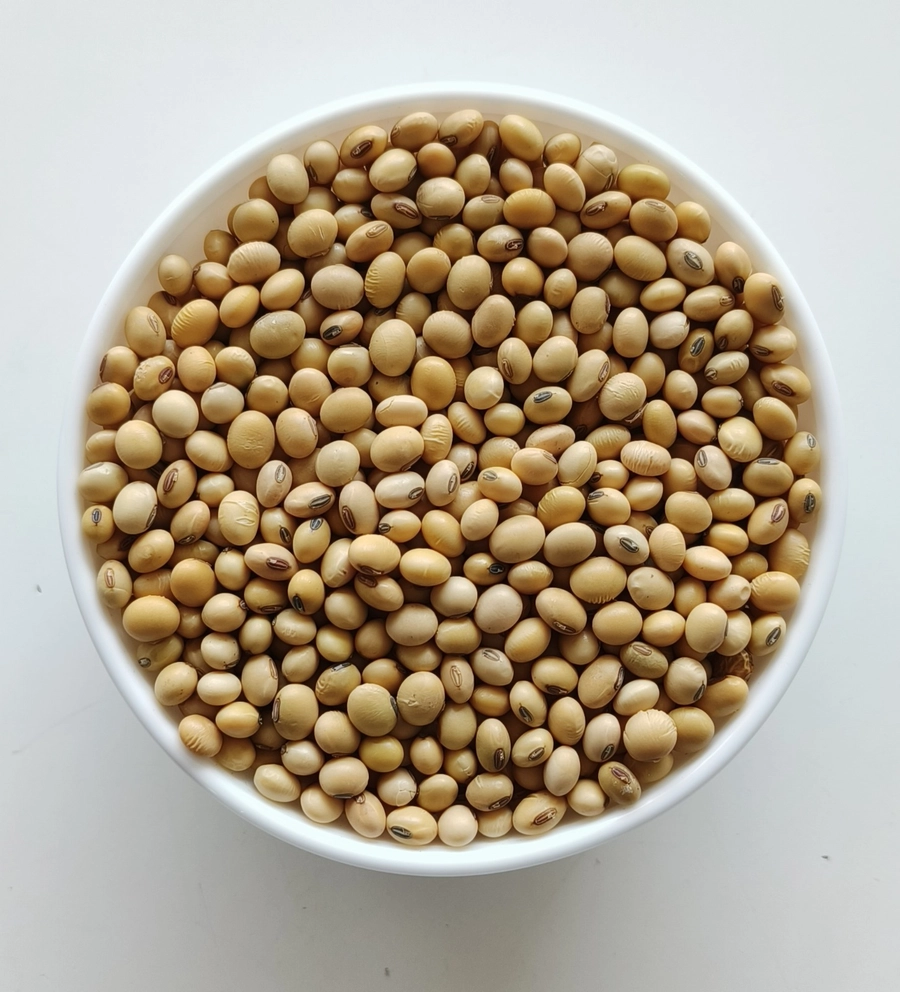
Soy hulls come from the same processing chain as our other feed products. If you are buying feed ingredients in one container programme, see solvent-extracted soybean meal, expeller cake and whole soybeans for crushing. Our full catalogue is on the soya products catalogue page.
India does not permit commercial cultivation of GM soybean, so Indian soy is non-GM by origin; a non-GMO test report can be supplied per shipment. Shipments include a Certificate of Analysis, Phytosanitary Certificate, Certificate of Origin, Packing List and Bill of Lading. Lead time is typically 10–15 days from order confirmation, subject to stock and inspection. Certifications held: APEDA (RCMC), FSSAI, EIC (Export Inspection Council), NPOP (India Organic, for organic grades) and ISO certified. Other certifications (e.g. Halal, Kosher) can be arranged to buyer requirement.
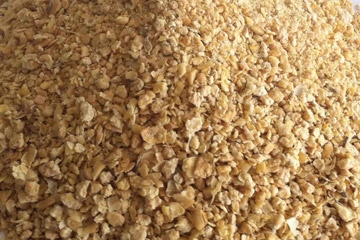
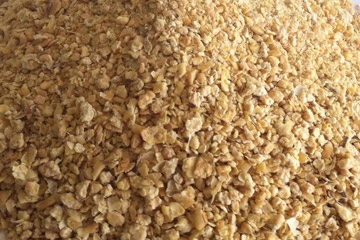
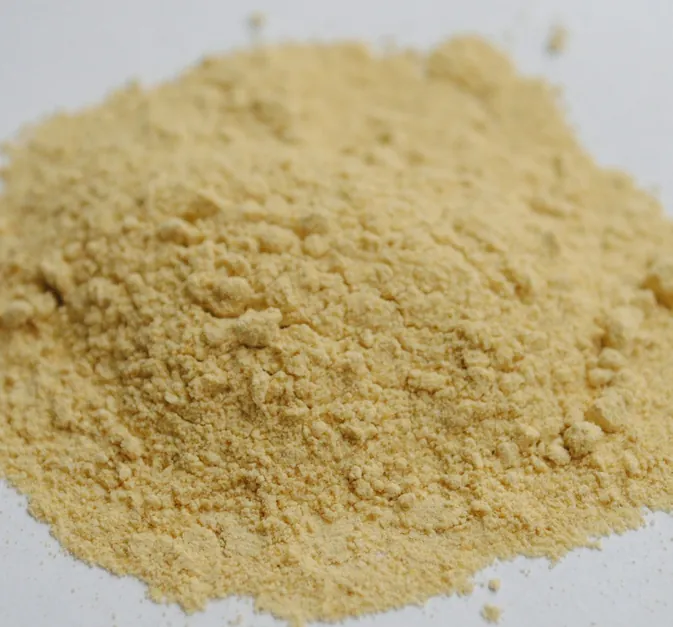
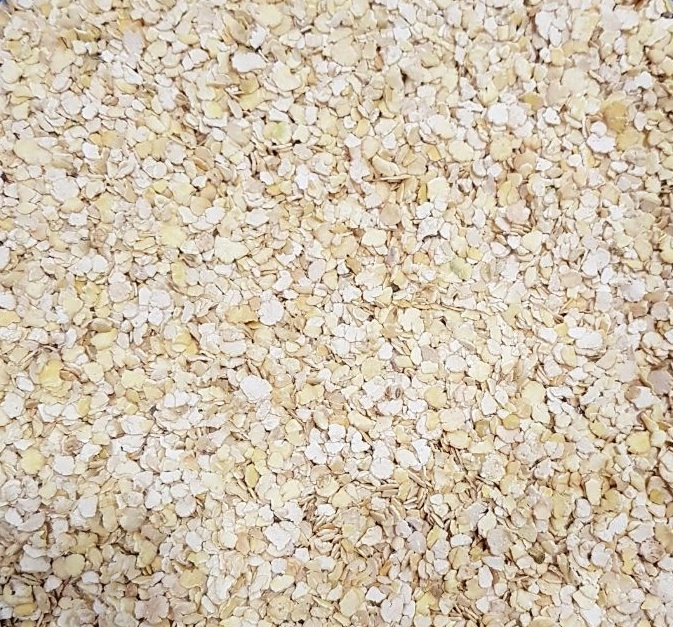
Soy hulls are the seed coat removed from the bean before oil extraction, roughly 5% of the bean by weight. University extension work (Kansas State, NDSU) describes well-cleaned hulls as about 9.4% crude protein and 74% NDF. The fibre is low in lignin, so rumen microbes digest much more of it than they do from most forages. That is why nutritionists treat hulls as a fibre-based energy source and not just as bulk.
In a North Dakota State University trial on weaned beef calves, soy hulls replaced corn at 0, 15, 30 and 45% of a 70%-concentrate ration. Feed intake and efficiency did not differ, and the authors concluded hulls can make up to 30% of diet dry matter. Net energy fell as hull inclusion rose, so the ration must be re-balanced rather than swapped one for one. Auburn University extension rates hulls at 77% TDN for dairy, against about 90% for corn, and advises long-stem roughage in the ration plus a bloat preventative when intake is above 7 lb (about 3 kg) per head per day.
Pelleting matters for shipping. Kansas State reports that pelleting raises the bulk density of soy hulls 3 to 3.7 times (about 10.6 lb/ft³ for whole hulls against 32 lb/ft³ for pellets), and that it does not change intake or fibre digestibility. Composition varies by source: AAFCO defines soybean mill run separately, with up to 35% crude fibre, so check that a quoted lot is hulls and ask for the Certificate of Analysis. See the wider soya products range for the other feed ingredients we export.
Crude fibre 34–38%, protein 10–12% and moisture 12% max, supplied as pellets in 50 kg PP bags. The Certificate of Analysis for each lot shows the actual values.
Soy hulls are normally classified under HS 2302.50 (residues of leguminous plants). The correct code can differ by destination, so please confirm it with your customs broker.
About 18–20 MT of pellets in a 20ft container, packed in 50 kg PP bags. We confirm the loading plan with each quotation.
The minimum order is 1 × 20ft FCL, which is about 18–20 MT. We supply in bulk only.
Soy hulls are a digestible fibre source for cattle, buffalo, sheep and goats. Feed mills use them to balance fibre in ruminant rations. They are not a protein source.
In part. Extension trials show soy hulls can replace corn as an energy source, for example up to about 30% of diet dry matter in a feedlot receiving ration at NDSU. They have less energy per kg than corn, so the ration should be re-balanced, with long-stem roughage kept in the diet.
No. Kansas State extension reports that pelleting does not affect intake or dry matter and fibre digestibility. Pelleting raises bulk density by roughly 3 to 3.7 times, which is why hulls are shipped as pellets.
Tell us the grade, packing and destination port. We confirm specifications, Incoterm and lead time within 24 hours. Minimum order 1 × 20ft FCL.