Sella vs Steam vs Raw Basmati: The Complete Beginner's Guide
First-time Basmati importers consistently find the processing type terminology confusing — and understandably so. 'Sella', 'Steam', and 'Raw' are not brand names or variety names; they describe how the paddy was processed after harvest. Each processing type produces a dramatically different cooked rice experience, suits different end markets, and carries different shelf-life implications. Getting this choice right is the most important single decision a first-time rice buyer makes — the wrong processing type for your market will generate customer complaints and returns regardless of grain quality.
Raw (White Milled) Basmati
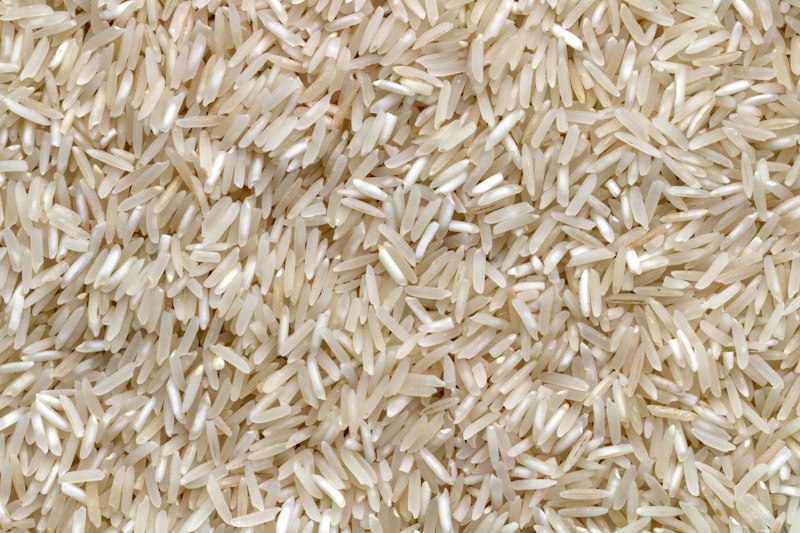
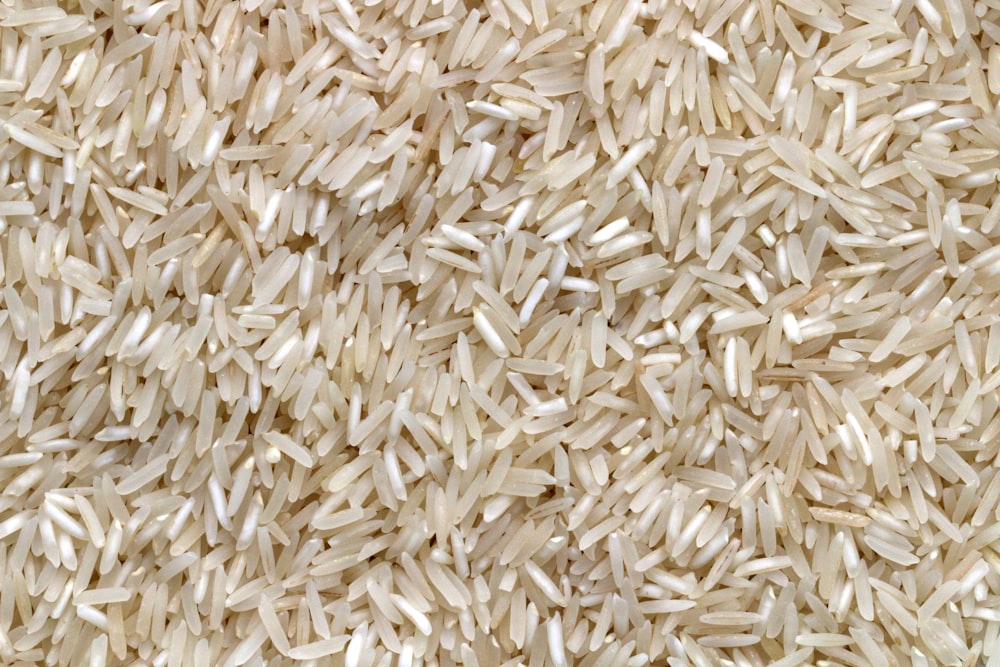
Raw Basmati is the most natural form — paddy is milled directly without any soaking or steaming. The resulting grain is brilliant white, fragile, and cooks to the longest possible elongation. The aroma is at its purest and most intense. However, raw Basmati has the shortest shelf life (12–15 months under ambient conditions), is most susceptible to breakage in transit, and requires careful moisture control in storage. EU, US, and UK consumers and premium Middle Eastern buyers prefer raw for the authentic Basmati eating experience. The cooked grain should double or triple in length and separate completely.
Middle East (GCC): Sella Golden or Sella Cream — long shelf life suits trading hub distribution; UAE and Saudi prefer Sella. EU and North America: Raw White — premium grocery and health food buyers want authentic Basmati characteristics. South Asia (Bangladesh, Sri Lanka): Steam Basmati — faster cook time suits restaurant and home cooking patterns. Africa: Mostly non-basmati parboiled but where Basmati is sold, Sella is preferred.
Sella Cream vs Sella Golden
Sella Cream is parboiled at lower pressure/temperature, resulting in a light cream-to-white colour that closely resembles raw rice visually. It has better head rice recovery than raw (3–5% higher), improved shelf life (18–24 months), and slightly reduced aroma intensity. Popular in GCC countries where visual similarity to raw is valued. Sella Golden is parboiled at higher pressure, resulting in the characteristic amber-gold colour. Superior shelf life (24–36 months), very high head rice recovery (≥70%), much firmer cooked texture — grains separate easily even after reheating. Preferred for biryani and pilaf preparations.