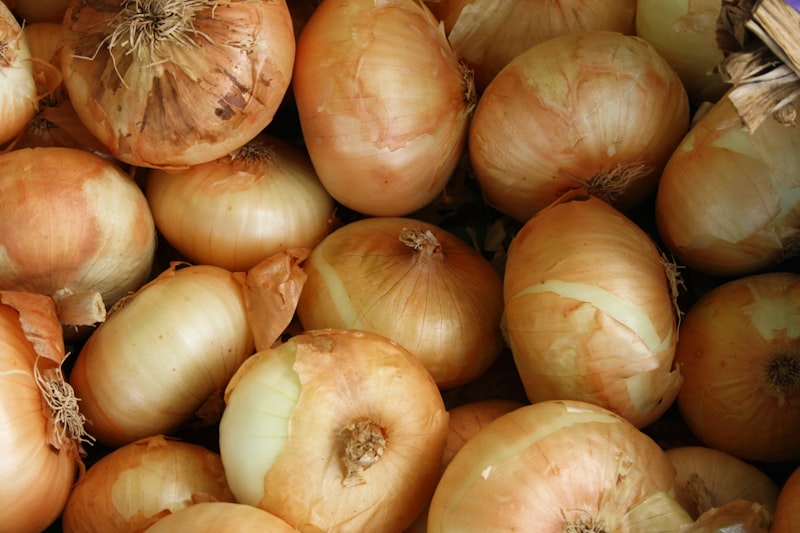
India's $800 Million Dehydrated Vegetable Export Sector
Dehydrated onion and garlic exports from India crossed USD 800 million in FY2025, establishing India firmly as the world's dominant supplier. The Nashik-Malegaon belt in Maharashtra processes over 60% of global dehydrated onion supply, while Rajasthan's Barmer and Jodhpur districts supply the majority of dehydrated garlic. The demand base spans some of the world's largest food companies — Nestlé, Unilever, ITC, McCormick — who rely on Indian dehydrated vegetables as a reliable, scalable, and cost-effective ingredient for instant noodles, ready meals, pizza seasonings, and soups.
Product Forms and Grade Specifications
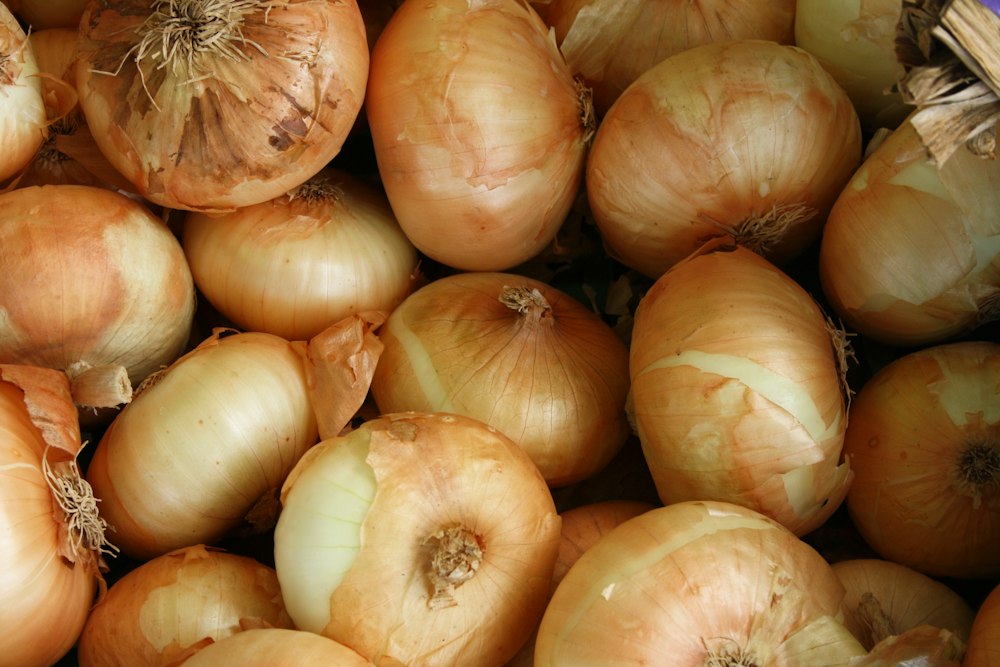
Dehydrated Onion: Available as minced (3–5mm), flakes (10–15mm), granules (1–3mm), and powder (40–80 mesh). Moisture max 5%, SO₂ content max 50 ppm for EU standard (75 ppm for non-EU markets), colour white/golden, TPC max 10⁵ CFU/g, Salmonella absent. Dehydrated Garlic: Flakes, granules (8/14 or 24/40 mesh), and powder (60–80 mesh). Moisture max 6%, allicin content specification available, AMS (allyl methyl sulfide) profile on request for nutraceutical buyers. Always specify the mesh size, not just the form — 'granule' without mesh size creates ambiguity that leads to wrong product delivery.
EU Directive 95/2/EC limits SO₂ in dehydrated onion to 50 ppm. US FDA has a 75 ppm limit. Some Middle Eastern markets accept up to 100 ppm. Always state your market's permitted level in the Purchase Order. Specifying 'EU grade' (50 ppm) for an EU-bound order is the single most important specification to include to avoid customs rejection.
New Processing Capacity and 2026 Supply Outlook
The Nashik processing cluster has seen significant infrastructure investment since 2023, with three new large-scale processing facilities coming online in 2025–26. This adds approximately 25,000 MT/year of additional hulling and drying capacity for onion, reducing the seasonal price spikes that historically occurred when fresh onion arrivals exceeded drying capacity. For 2026, supply is expected to be stable with moderate pricing — the onion kharif crop in Maharashtra has been satisfactory. Dehydrated garlic from Rajasthan faces tighter supply due to lower rabi plantings, and prices are 10–15% above 2025 levels.