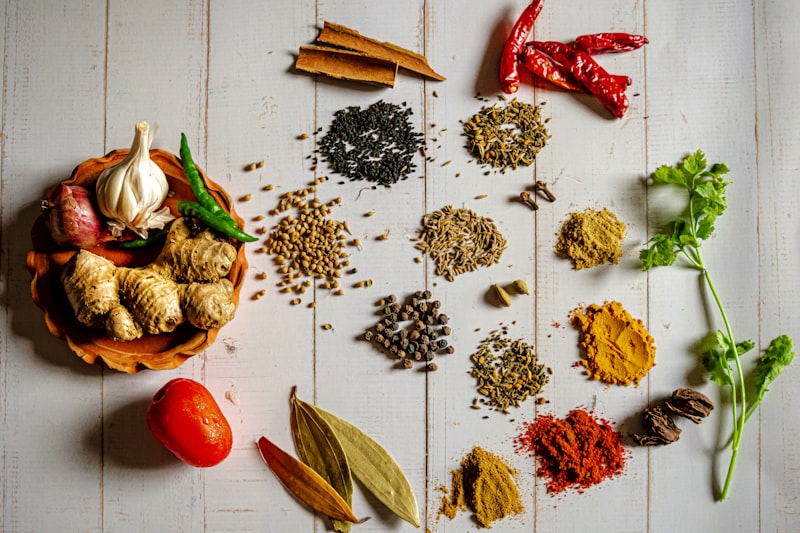
Fenugreek's Transformation from Kitchen Spice to Functional Superfood
Fenugreek has been a staple of Indian cuisine and Ayurvedic medicine for centuries, but its global profile has shifted dramatically in the last five years. India produced approximately 390,000 MT of fenugreek seeds in 2025-26, accounting for over 80% of world output, with Rajasthan's Jodhpur and Nagaur districts as the primary growing regions. Export volumes reached an estimated 28,000 MT in FY2025-26, with the EU emerging as the fastest-growing destination at a 28% year-on-year increase. The driving force is the nutraceutical industry's interest in fenugreek's galactomannan soluble fiber (25–45% by weight) and 4-hydroxyisoleucine, a unique amino acid shown to improve insulin sensitivity.
Quality Parameters and EU Compliance Requirements
Export-grade Indian fenugreek seeds are classified primarily by cleanliness, color, and bitterness level, with sortex-clean lots commanding the highest premiums. Key quality specifications include moisture content (max 9%), foreign matter (max 1%), oil content (5–7%), and protein (23–26%). For the EU health food market, buyers increasingly specify galactomannan content testing — premium lots from Rajasthan typically yield 28–35%. Pesticide residue compliance is non-negotiable, with particular attention to phosphine residues from storage fumigation (EU MRL: 0.01 mg/kg). Organic-certified fenugreek commands premiums of 30–40% over conventional, with prices reaching $1,100–$1,350 per MT FOB.
When sourcing fenugreek for the EU nutraceutical sector, specify galactomannan content (min 28%) and 4-hydroxyisoleucine levels in your purchase specification. Request fumigation-free storage certification and a comprehensive pesticide residue panel covering at least 400 compounds.
Emerging Applications and Market Growth Drivers
Beyond traditional culinary use, fenugreek is finding high-growth applications across several industries. The sports nutrition segment is incorporating fenugreek extract (standardized to 50% saponins) as a natural testosterone and performance enhancer. The pet food industry in the US and EU has begun adding fenugreek fiber as a natural prebiotic. The cosmetics sector uses fenugreek seed extract in hair care products, a segment growing at 12% annually in South Korea and Japan. India's position as the near-monopoly supplier gives exporters significant pricing power, particularly for organic and tested-quality lots. Importers should anticipate continued tightening of supply in the premium segment as nutraceutical demand absorbs an increasing share of India's exportable surplus.