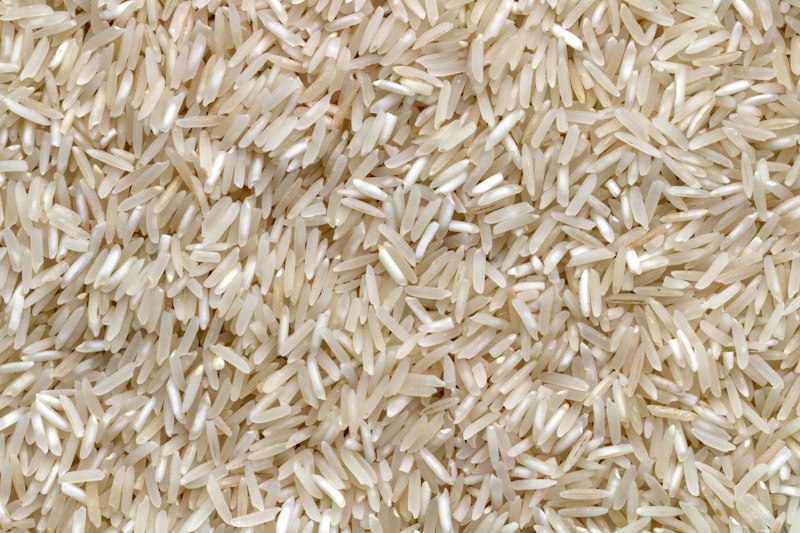
India's 2026 Basmati MEP: What Changed
India's Directorate General of Foreign Trade (DGFT) revised the Minimum Export Price (MEP) for Basmati rice in early 2026, setting a new floor that is reshaping procurement strategies from Riyadh to Rotterdam. The revision — the third MEP adjustment in 36 months — signals that the Indian government is balancing domestic food security with its ambition to grow Basmati's global premium positioning. For importers running annual volume contracts, the change requires a hard look at current FOB benchmarks versus the new floor.
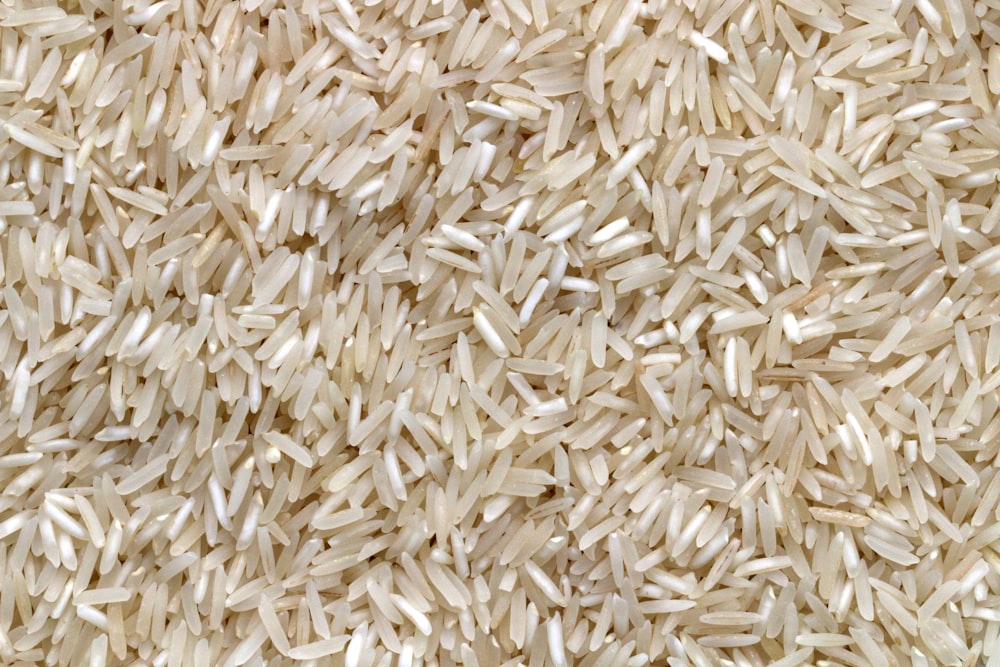
1718 vs 1121: Why GCC Buyers Are Switching
The 2026 market has seen a notable shift in GCC buyer preference from 1121 Basmati toward 1718 Basmati. The reason is straightforward: 1718 offers a more pronounced floral aroma profile — the traditional hallmark of premium Basmati — at a price point that has converged closer to 1121 as acreage of 1718 expanded in Haryana and Punjab. Head rice recovery is also better for 1718 (typically 2–3% higher), making it more cost-efficient for millers and ultimately for importers calculating cost-per-usable-MT.
October–December is historically the best FOB window for Basmati. Fresh kharif crop arrivals at Punjab mills in October create temporary price softening. Buyers who lock annual contracts in this window typically save $40–80/MT vs. off-season procurement.
Documentation for EU and US Basmati Entry
EU Basmati imports require: APEDA Certificate of Origin (mandatory for preferential duty under India-EU trade terms), pesticide residue test per EC Regulation 396/2005 from a NABL-accredited lab, and Phytosanitary Certificate. For the USA: FDA Prior Notice submission (at least 4–6 hours before container arrival), Bill of Lading, commercial invoice, and a NABL COA covering moisture, broken %, and pesticide panel. Radiance Overseas provides full documentation sets with every shipment — buyers receive a digital documentation package 5 days before vessel departure.