Africa's Rice Deficit Fuels India's Parboiled Export Revival
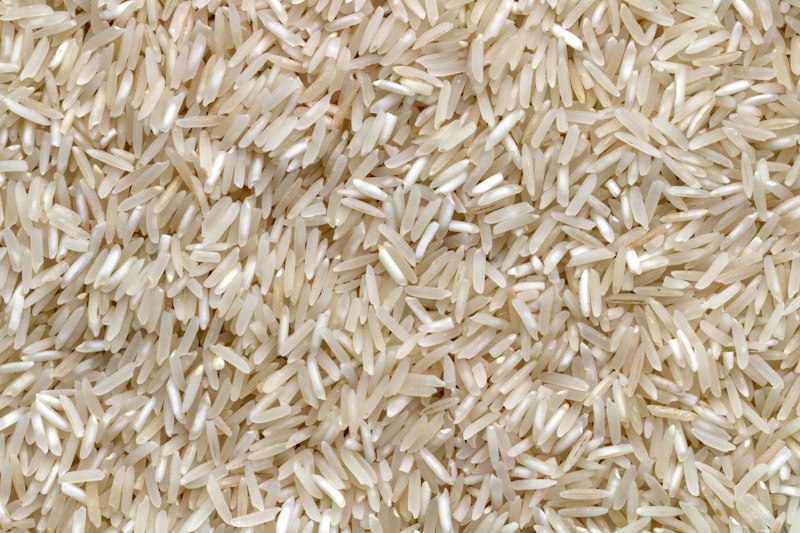
India's non-basmati parboiled rice exports have staged a remarkable comeback in FY2025-26 following the government's phased lifting of the minimum export price and duty restrictions imposed in 2023. Shipments to sub-Saharan Africa crossed 3.2 million MT through December 2025, representing a 52% increase over the same period last year. West African nations — led by Benin, Senegal, Ivory Coast, and Togo — account for over 60% of this volume, driven by population growth outpacing domestic rice production. FOB pricing for IR-8 5% broken parboiled rice stabilized at $420–$435/MT ex-Kakinada, while premium Swarna Sella Golden trades at $450–$460/MT. India now supplies nearly 40% of Africa's total rice import requirement.
IR-8 and Swarna Sella Golden: The Workhorses of African Trade
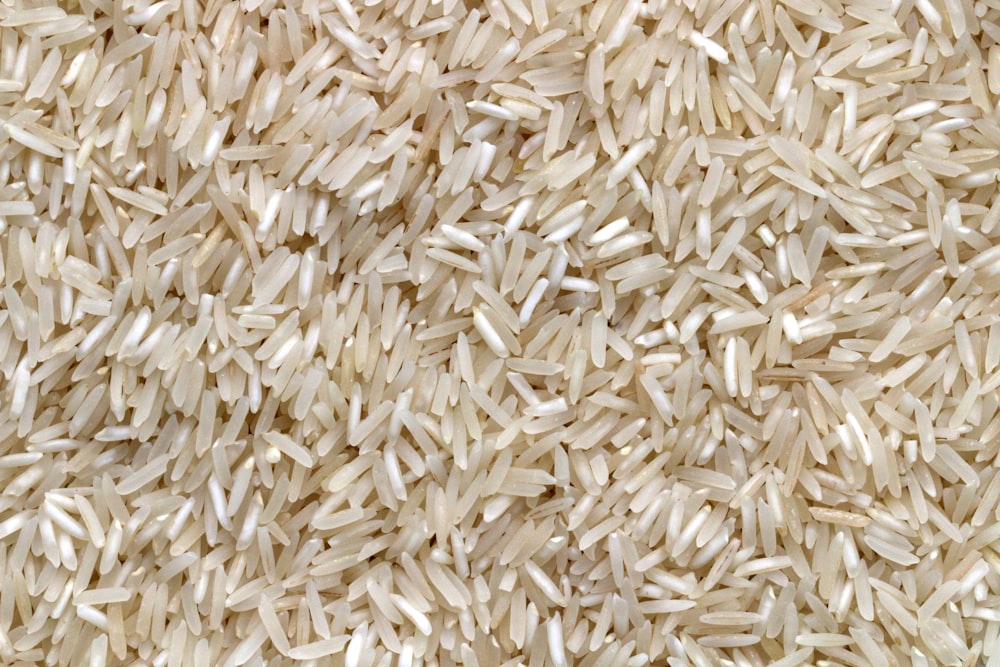
IR-8 parboiled rice remains the dominant variety for African bulk tenders, valued for its firm grain structure, high yield during cooking, and affordability at retail level. Swarna Sella Golden has gained rapid traction in premium African urban markets, with its golden hue and longer grain length commanding a $25–$30/MT premium over standard IR-8. Millers in Andhra Pradesh and Telangana have increased parboiling capacity by an estimated 15% since mid-2025, adding over 200 new sortex-equipped processing lines. Quality parameters for African markets typically specify 5% broken, 12–13% moisture, and absence of live weevils. Radiance Overseas sources exclusively from FSSAI-registered mills in Nellore and Karimnagar districts, ensuring consistent grain length of 5.8 mm+ and chalky grain percentages below 3%.
When contracting parboiled rice for African delivery, specify SGS or Bureau Veritas pre-shipment inspection at load port. This avoids discharge disputes on moisture and broken grain percentage, which accounted for 23% of trade claims in 2025.
Policy Tailwinds and 2026-27 Outlook
The Indian government's decision to fully remove the $490/MT minimum export price on non-basmati parboiled rice in January 2026 has been a game-changer, allowing exporters to compete aggressively against Thai and Vietnamese origins. APEDA forecasts total non-basmati exports could reach 10 million MT in FY2026-27, with parboiled varieties accounting for 55–60% of the total. New inland container depot facilities at Vijayawada and Warangal are expected to reduce logistics costs by $8–$12/MT for Telangana-origin rice. Competition from Pakistan's IRRI-6 remains a factor in East African markets, though Indian rice maintains a quality premium. Buyers looking to secure H2 2026 supply should consider forward contracts now.