
Mundra Is Now India's Largest Container Port: What It Means for Agro Buyers
Adani Ports' Mundra terminal in Gujarat has officially surpassed JNPT (Nhava Sheva) as India's largest container port by TEU throughput. For agro commodity exporters — particularly those shipping sesame, cumin, groundnut, and castor from Gujarat and Rajasthan origins — this shift has meaningful practical implications. Mundra now offers better shipping line frequency, lower dwell times, and significantly reduced container availability problems compared to JNPT, which has historically suffered from chassis shortages and CFS congestion.
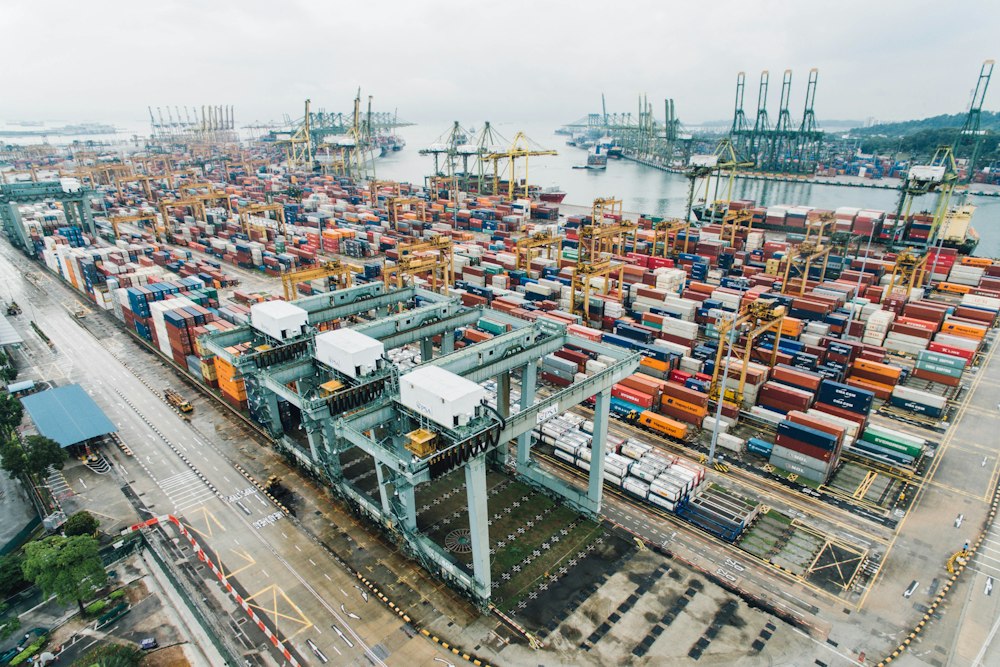
Port Selection by Product Origin
The optimal port is primarily determined by origin proximity, not destination preference. Use Mundra for: sesame (Unjha/Gujarat), cumin (Jodhpur/Rajasthan), castor seeds (Gujarat), groundnuts (Rajasthan/Gujarat), cotton, and most MP-origin products via the Dedicated Freight Corridor. Use JNPT for: Basmati rice from Punjab/Haryana, Maharashtra-origin dehydrated products, sugar, pulses from Latur belt. Use Chennai for: all South India products — coffee (Karnataka), black pepper (Kerala), tamarind, coconut, and South Indian spices. Mixing origin and port creates unnecessary inland freight costs.
Container availability at Mundra has improved significantly vs 2021–22. Average empty container availability is 3–4 days from booking. For refrigerated containers (reefer), allow 7–10 days lead time. JNPT still has occasional equipment shortages during peak season (October–December). Book containers 10 days before intended stuffing date at either port to ensure availability.
CFS vs Factory Stuffing: Cost Comparison
Factory stuffing (container taken to the processing facility and loaded directly) costs approximately 15–20% less than CFS (Container Freight Station) consolidation for full container loads. Factory stuffing also reduces double-handling damage risk and allows the Phytosanitary inspection officer to visit the factory directly rather than the CFS. At Mundra, factory stuffing from Gujarat origins is straightforward — the Dedicated Freight Corridor rail link from Ahmedabad to Mundra has dramatically reduced transit times and costs since 2022.